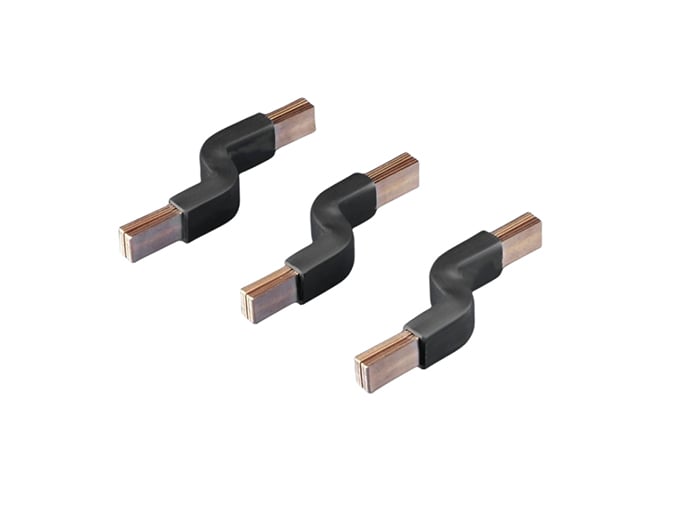
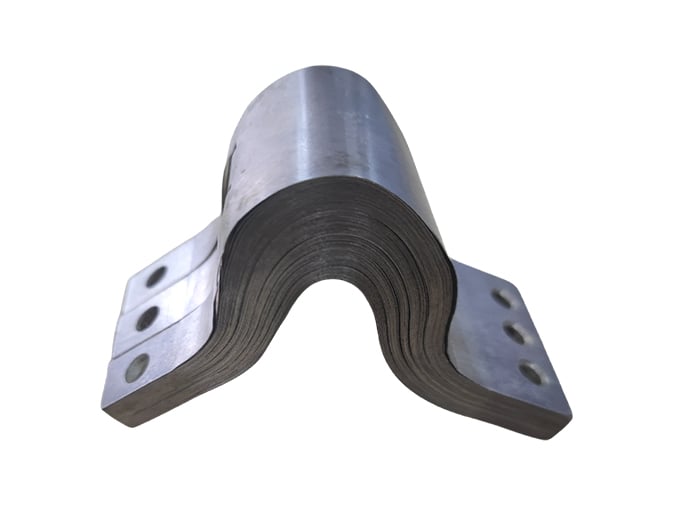
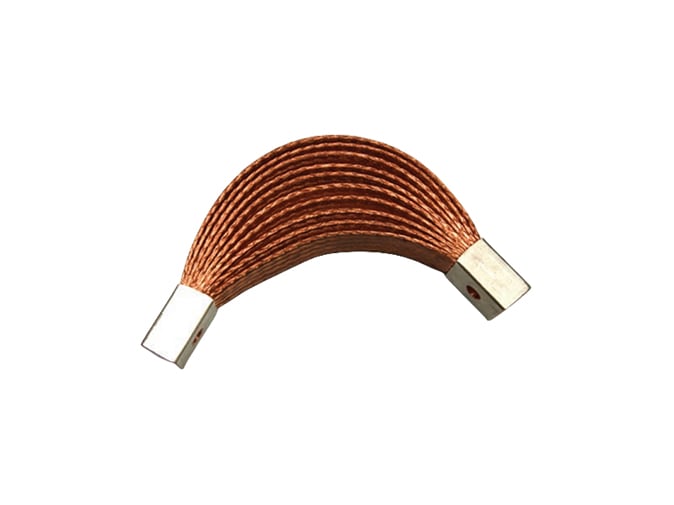
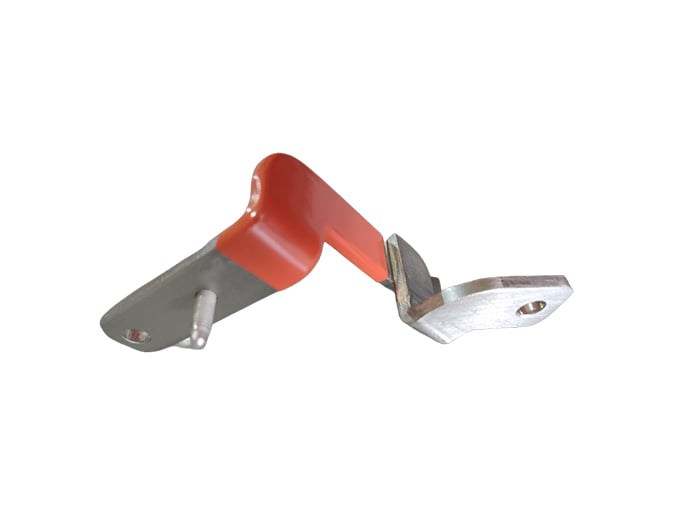
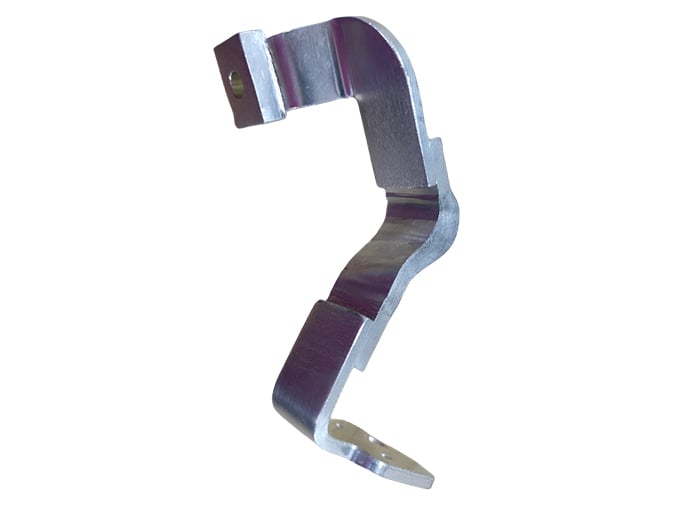
Afterall, there are quite a few areas where busbar PCBs (Busbar Printed Circuit Boards) fit into the operation of electronic systems but very few people think about this. Well, if you would like to want it further from the world of busbar PCBs so this can be at where you must definitely land up! This full article covers the basic features of busbar PCB design, pros & cons when using it in your system and how to embed them within power electronic systems as well as what are some considered material for manufacturing a bus bar circuit board.
These busbar PCBs are specifically designed to connect different parts of the electronic system with each other ensuring that electrical power distribution works without fail. These metal plates are in some cases specially designed to have a grid or network of the bars in it. The bars are usually made out of copper or aluminum, materials which have great conductive properties and can transfer electricity effectively.
Among its great advantages, there is a reduction in required wiring when it comes to busbar PCB uses within electronic systems. This reduction will reduce the system size itself and makes it more manageable as well. In addition, busbar PCBs have better efficiency than using traditional wiring thereby reducing the energy loss and overall system reliability.
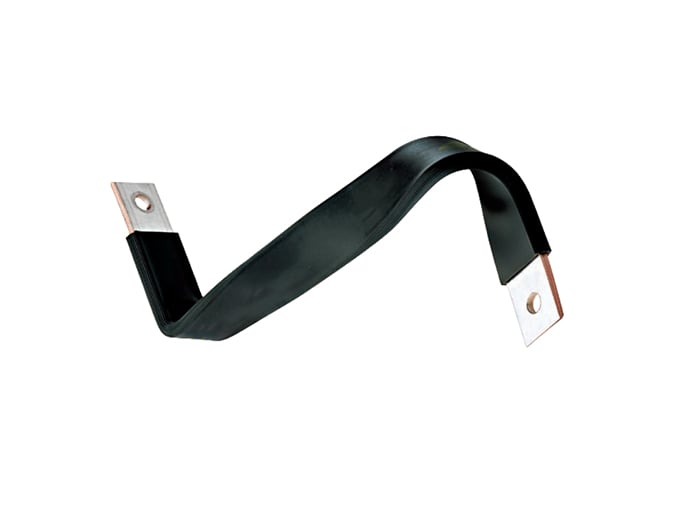
Advantages of Busbar PCB over Traditional Wiring Practices They also help in providing a less complicated system, helping to further the requirement of not having so much wiring. They are also more efficient as compared to conventional wiring leading to energy saving and system reliability. Busbar PCBs also have a modular design that makes them easy to service and replace when the need arises.
Nonetheless, it would be remiss not to address drawbacks of busbar PCBs. This way of manufacturing boards can be more expensive that the traditional wiring methodicient. Moreover, the busbar PCBs are complex to design and integrate into an electronic system. In addition, busbar PCBs much are more susceptible to electromagnetic interference compared with the other components that impair their overall reliability.
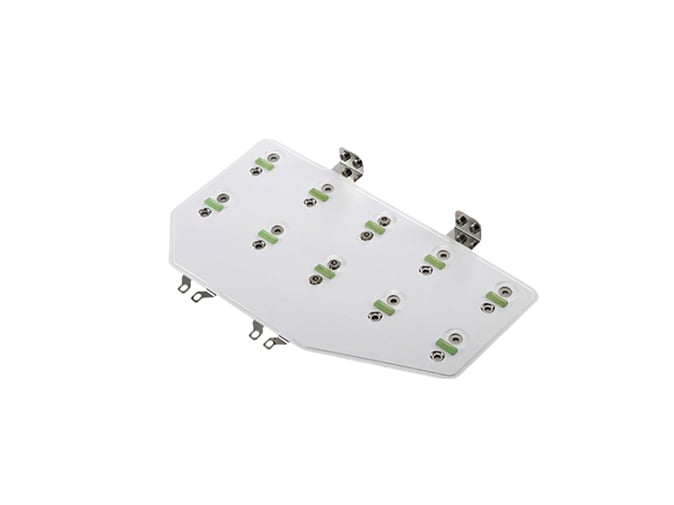
If you are considering using busbar PCBs in a power electronics system, there is much to consider. The integration of the busbar PCB must be carried out to optimize efficiency and reliability in your system. In addition, busbar PCB layout should be designed according to the power required by system.
The next aspect to be considered is the form, and size of busbar PCB. A custom busbar PCB as needed depending on power requirements of the system In these cases, it is recommended that you work with a manufacturer to produce custom-made Busbar PCB,...
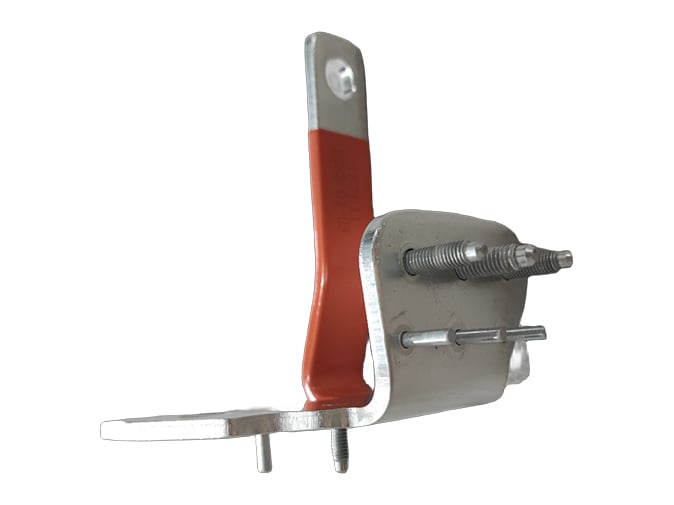
Choosing the best material to manufacture busbar PCBs involves a number of considerations. Electrical conductivity is an important consideration and Thus, copper or aluminum are the favored selections. Copper is teh preferred conductor because it has relatively high electric conductivity
Another important aspect to consider is the thermal conductivity of a material. This aspect is of great importance especially for high-power applications. Efficient heat is vital to prevent overheating and priors components failures.Cooling pad materials are those that can quickly remove, transfer or absorb the process energy from a system.
Busbar PCB : Ways to Improve Circuit Performance
These are the techniques to improve circuit functionality with busbar PCBs. The seamless integration of the PCB within the system with minimal resistance and inductance is important for optimal energy transfer between components of a given system, which will improve overall performance.
A busbar PCB also must be impeccably designed. Good layout and placement of the metal bars can minimize (resistance / inductance), resulting in a higher efficiency system. In addition, the introduction of proprietary films or materials can increase further the electric and thermal properties of busbar PCB.
Lastly, as we can discover numerous positive aspects in the busbar-pcb which are an essential part of our contemporary electronic systems rather than wiring. Although they have their limitations that will need special focus, having a proper grasp over the busbar PCB design, selection of materials and optimizing its performance can help in developing electronic systems with enhanced efficiency attainability which are reliable as well at low cost. We hope this guide has given you a comprehensive understanding of the world of busbar PCBs and helped to make better decisions for your next electronics project.
Kinto is focused on cost control and improvement through continual optimization production processes. Reduce waste in raw materials and equipment, and improve the utilization of equipment, in addition to other methods, to attain an effective control. The long-term and steady cooperation with suppliers guarantees competitiveness of procurement costs for raw materials. In addition, it actively introduces advanced production busbar pcb equipment to improve production efficiency and quality and reduce production costs. This allows us give customers affordable prices while still ensuring high-quality, and to achieve an ideal balance between cost control market competitiveness.
Kinto always puts its focus on the customer provide superior customer service that will result in win-win development. A knowledgeable customer service team available to collect and analyze feedback from customers and ideas. This helps improve the quality of our services and products. We have busbar pcb a long-term and good cooperative partnership many large and medium-sized enterprises at home abroad, such as Danfoss, Ballard, Methode Electronics, MARQUARDT, WEICHAl, RPS Switchgear, FLEXLINK, Mersen, ABB, SIEMENS, ChangyingXinzhi, OLIMPIA, VACON.
It is accredited through ISO 9001 and ISO14001 as in addition to IATF 16949. To ensure consistent secure quality, the firm controls every stage of production, from procurement of raw materials production until product inspection. In addition, it implements a digital management system boost production efficiency and ensure accuracy. Digital management of technical drawings using the EDM system gives precision traceability along with strong support for product busbar pcb manufacturing.
Kinto is a leading busbar manufacturer founded in 2005 and covers an area of 8000 square metres and is committed to development of new energy storage, transmission and distribution products, electronic appliances and communications using the most advanced technology the market and extensive production experience. Kinto has invested in cutting-edge processing equipment's as well an array of high-quality testing instruments which ensure that every product is of the highest standard of quality. The R and D team the technical team have extensive knowledge and expertise in delivering tailored solutions a variety of busbar pcb processing requirements.
Copyright © Kinto Electric Co., Ltd All Rights Reserved
 EN
EN
 AR
AR
 BG
BG
 HR
HR
 CS
CS
 DA
DA
 NL
NL
 FI
FI
 FR
FR
 DE
DE
 EL
EL
 HI
HI
 IT
IT
 JA
JA
 KO
KO
 NO
NO
 PL
PL
 PT
PT
 RO
RO
 RU
RU
 ES
ES
 SV
SV
 CA
CA
 TL
TL
 IW
IW
 ID
ID
 LV
LV
 LT
LT
 SR
SR
 SK
SK
 UK
UK
 VI
VI
 SQ
SQ
 HU
HU
 TH
TH
 TR
TR
 FA
FA
 MS
MS
 GA
GA
 LA
LA