EN
EN
 AR
AR
 BG
BG
 HR
HR
 CS
CS
 DA
DA
 NL
NL
 FI
FI
 FR
FR
 DE
DE
 EL
EL
 HI
HI
 IT
IT
 JA
JA
 KO
KO
 NO
NO
 PL
PL
 PT
PT
 RO
RO
 RU
RU
 ES
ES
 SV
SV
 CA
CA
 TL
TL
 IW
IW
 ID
ID
 LV
LV
 LT
LT
 SR
SR
 SK
SK
 UK
UK
 VI
VI
 SQ
SQ
 HU
HU
 TH
TH
 TR
TR
 FA
FA
 MS
MS
 GA
GA
 LA
LA

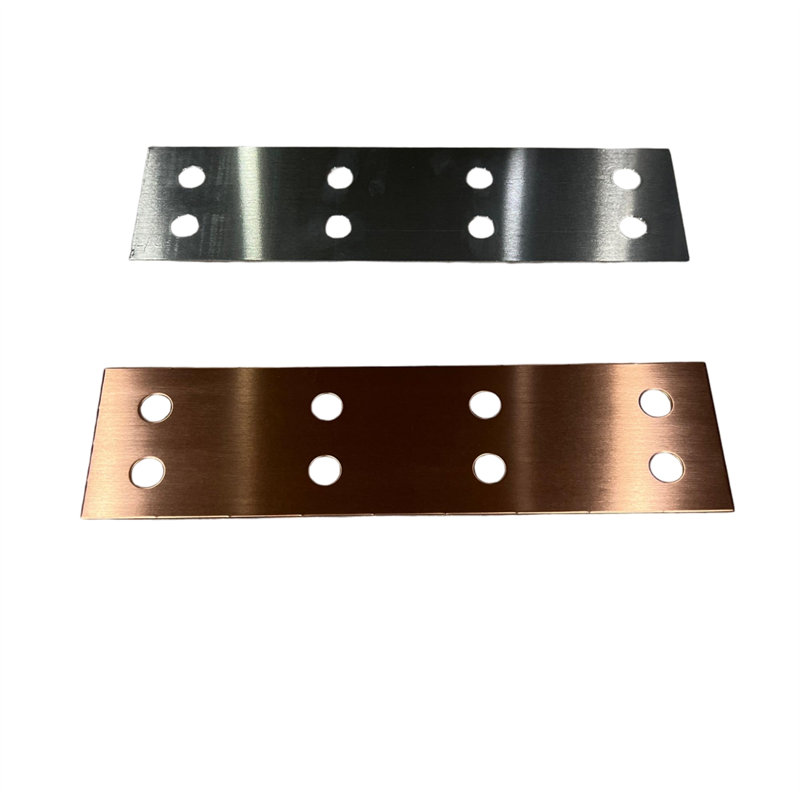
In today's world of power distribution systems, it's essential to select the appropriate busbar. Over the course of nearly 20 years, Kinto has worked with engineers and procurement departments to understand the technical requirements of busbar specification. No matter what system you're designing-industrial controls, renewable energy sources or power transmission-you need to know how busbar specifications correspond to actual current capacity. Here are four key considerations.
Material Choice and Its Impact on Current Carrying Capacity
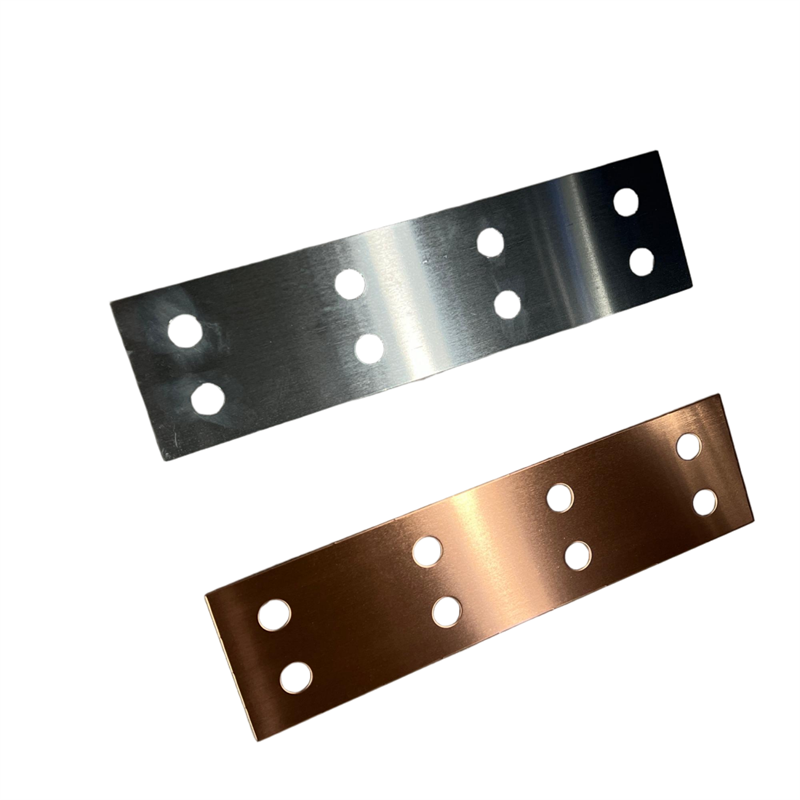
First of all then you'll need to make a choice on the material, either copper or aluminium being the two most common choices today. With it's excellent conductivity Copper can carry 1.5 times the current that an aluminium bar of equivalent area can carry. So Copper should be your first choice on a space constrained application. Aluminium is lighter weight and cheaper but will require roughly twice the cross sectional area compared to Copper to carry the same level of current which may be an important factor if weight is a primary constraint and if the current path is also a significant one. The distance the busbar will need to run and the ambient temperature (which has a major impact on how effectively heat is dissipated from a busbar - usually around 30 DegC rise is a good rule ofthumb) will both have a major effect on material choice.
Geometric Factors That Determine Real World Ratings
Shape helps over come heat loss which hits the current carrying rating. This is why a flat bar of the same cross section area as a square bar will carry more current as it has more surface area for cooling. We also recommend customers think about orientation: vertical mounting allows better convection cooling then a horizontal mounting. The parallel section of busbar can also impact the overall current capacity, multiple thinner bars can carry more total current than a single larger bar because of the increase in surface area. In addition power electronic frequencies you need to take into account the effected magnetic skin depth. For most power electronic frequencies over 100 Hz, hollow or laminated busbars are used. At our manufacturing centers, we use high precision machining to produce a wide variety of geometries. This allows us to maximize surface area for cooling while maintaining extremely tight tolerances for consistent, repeatable performance.
Insulation and Environmental Considerations
Busbar insulation type inherently influences the maximum current that a busbar can carry safely. Bare copper or aluminum conductors require sufficient clearance distances while insulated busbars are safer when installed close together but tend to trap heat. As a general guide insulated bus bars can often be derated by 15% to 25% of their rated capacity. Kinto's manufactured components, whether flexible insulated bus bars or laminated copper shunts walk this line effectively with insulation and thermal performance considerations in mind. Environmental factors that influence installation thermal considerations can include indoor climate controlled or outdoor enclosures and exposure to solar loading. Dust, moisture and aggressive atmospheres can cause connections to deteriorate and increase localized resistance resulting in disproportionate localized heating. Specifying high quality tin or silver plated bus bars can result in a consistent current capability for the life of the product even in aggressive environments.
Practical Steps for Selecting the Correct Current Rating
Initially, establish your maximum continuous busbar load and apply a safety factor of twenty five percent, this factor is applied for normal overloads and future system expansion. The sum of these two factors should then be referenced against your calculated maximum continuous current. Calculate your allowable temperature rise based on the insulation class in vicinity of your power distribution equipment, generally a 65 °C maximum temperature is standard. With your defined parameters you can then reference the accepted ampacity tables for your material type, configuration and shape. Do not forget that bolted connections and joints also increase the resistance in your system, at Kinto we recommend maximum oversizing of the busbar connections or implementation of our fabricated terminal extension systems with increased contact area for current transfer. We always recommend testing in your actual operating environment, whether in field or in the laboratory—as the ultimate validation. If in doubt, thermal imaging during initial commissioning provides the best confirmation that your busbar is operating within safe parameters. Kinto's ISO 9001 and IATF 16949 quality management systems ensure that every busbar is correctly rated for its intended current and is consistent across all batches.
Conclusion
Deciding the ideal busbar material, design, or shape involves balancing the operational environment and electrical parameters with the material characteristics. Selecting the right design will not allow you to simply purchase an undersized conductor and over spend on a larger conductor or custom cut copper bus bar. Let our Kinto review process within manufacturing, along with our commitment to continuous improvement demonstrate exactly how to select the perfect bus bar to meet your need. We have capability to manufacture a laminated shunts for an electric drive or a low voltage busbar for a power distribution application.