EN
EN
 AR
AR
 BG
BG
 HR
HR
 CS
CS
 DA
DA
 NL
NL
 FI
FI
 FR
FR
 DE
DE
 EL
EL
 HI
HI
 IT
IT
 JA
JA
 KO
KO
 NO
NO
 PL
PL
 PT
PT
 RO
RO
 RU
RU
 ES
ES
 SV
SV
 CA
CA
 TL
TL
 IW
IW
 ID
ID
 LV
LV
 LT
LT
 SR
SR
 SK
SK
 UK
UK
 VI
VI
 SQ
SQ
 HU
HU
 TH
TH
 TR
TR
 FA
FA
 MS
MS
 GA
GA
 LA
LA

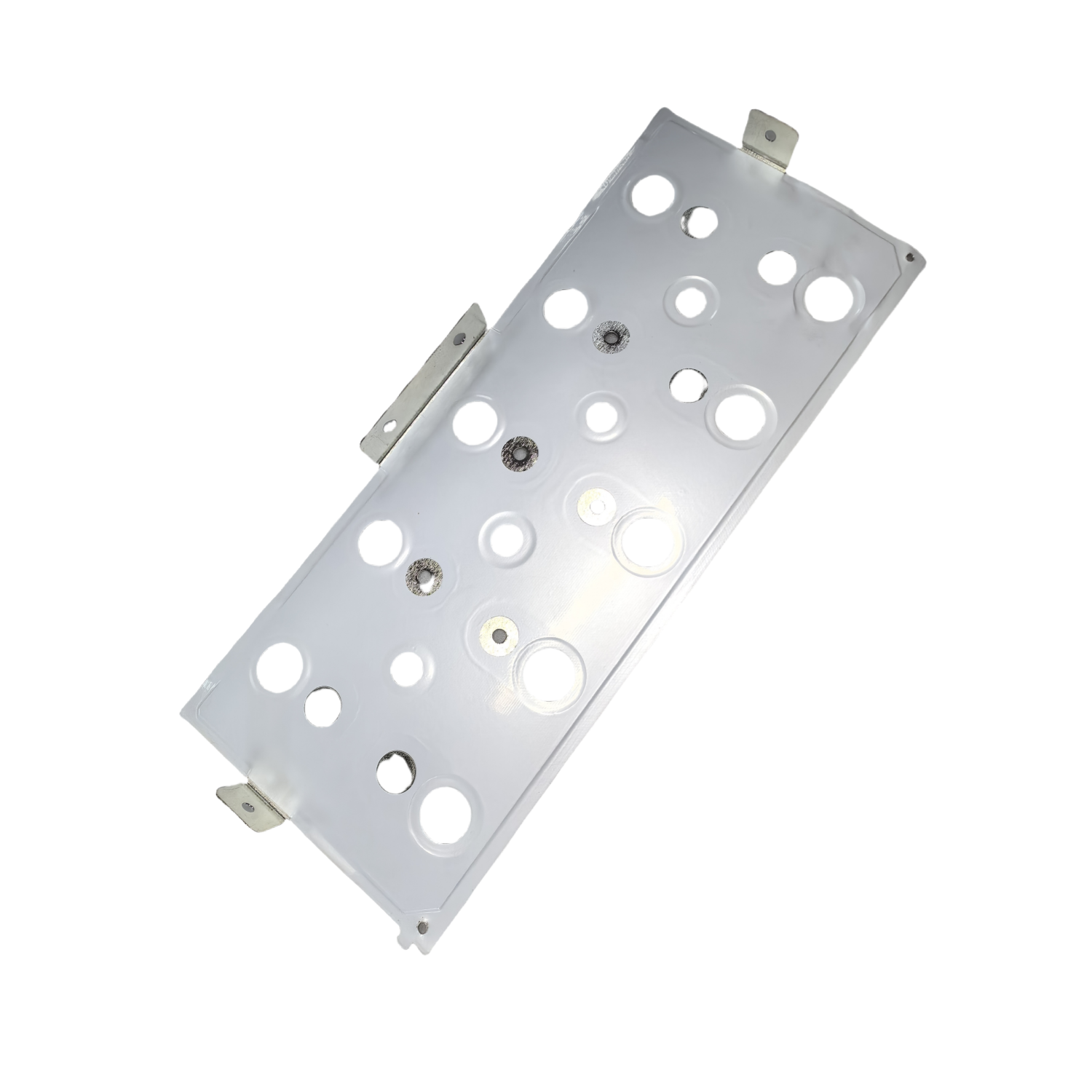
When space is at a premium in enclosures that need to carry high currents, the age old solution—bundles of round wires or solid machined bars—are no longer adequate. Laminated busbars have emerged as a promising alternative. But are they the optimal solution for compact, high-power applications? As with many technology, suitability depends on how well it meets requirements across several dimensions: space efficiency, thermal management, power density, and production cost. At Kinto, we have supplied laminated busbars to a wide range of energy storage and electrification projects, and we have observed consistent patterns in where this technology excels.
Current Capacity Without Volume Penalty
High-current batteries require large conductor cross-sections to keep temperature rise manageable. While solid bars and cable bundles may seem simple, they waste significant space due to the clearances required between conductors and other structures to prevent flashover and aid heat dissipation. Laminated busbar systems replace one or more substantial conductor strips with an interleaved series of thin conductive plies, thereby increasing the total available conductive cross-section in an extremely slim package. Because the negative and positive conductors can be placed very close together, their opposing magnetic fields partially cancel each other. This effectively reduces AC resistance—especially in battery packs with fast inverters, and minimizes ripple-current power-losses. A laminated bar capable of a much larger current handling than an equivalently rated set of parallel cables could potentially take a fifth of the available vertical space, thereby leaving much room in the battery box for an extra row of battery cells, or a thicker and more capable thermal interface material.
Thermal Stability Under Sustained Load
Generating heat is part of connecting to high currents. However, how you manage that heat determines how well the connection will perform over the long term. Laminated busbars offer great thermal performance. By virtue of their design they have large surfaces to radiate away heat compared to a round wire of equal cross-section. Being flat and wide, they rely on natural convection, plus conductor conduction when clamped to a heat sink or pack housing. The dielectric separating the conductors is generally selected not just for electrical insulation, but also thermal conductivity, spreading the heat out of a laminated busbar uniformly across its entire thickness. Peak temperatures are thus reduced, minimizing the stress of thermal cycling on the terminal connections. With the extremely tight packaging designs common in today’s battery packs with minimal space for ventilation and forced airflow, the capability of conducting heat directly to a heat-sinking pack housing or to cooling plates can be crucial. We have spoken with many Kinto customers who have made the switch from traditional wiring to laminated busbars and who reported successfully reducing the busbar temperatures of the assembly significantly without having to increase the overall package size.
Low Inductance for Cleaner Power Delivery
Perhaps the most compelling technical advantage of laminated busbars in high current applications is their inherently low stray inductance. In systems with very rapid current changes—whether during pulsed discharge or regenerative braking, any parasitic inductance in interconnections can cause voltage spikes that may damage power semiconductor or electrolytic/film capacitors. In the case of laminated busbars, current flows in parallel in the two conductors separated by a thin layer of insulator; thus, they are tightly coupled magnetically. This cancels out a large portion of the flux lines, reducing the loop inductance considerably, thus creating a much cleaner DC link voltage with little or no spike and ripple. For designers of densely packaged battery packs, this electrical advantage provides more flexibility for siting of their busbars nearer their high frequency control circuitry and reduces overall EMI/EMC and can even allow for relaxed design requirements for snubbing circuitry or filtering of the bus conductors.
Manufacturing Precision and Assembly Efficiency
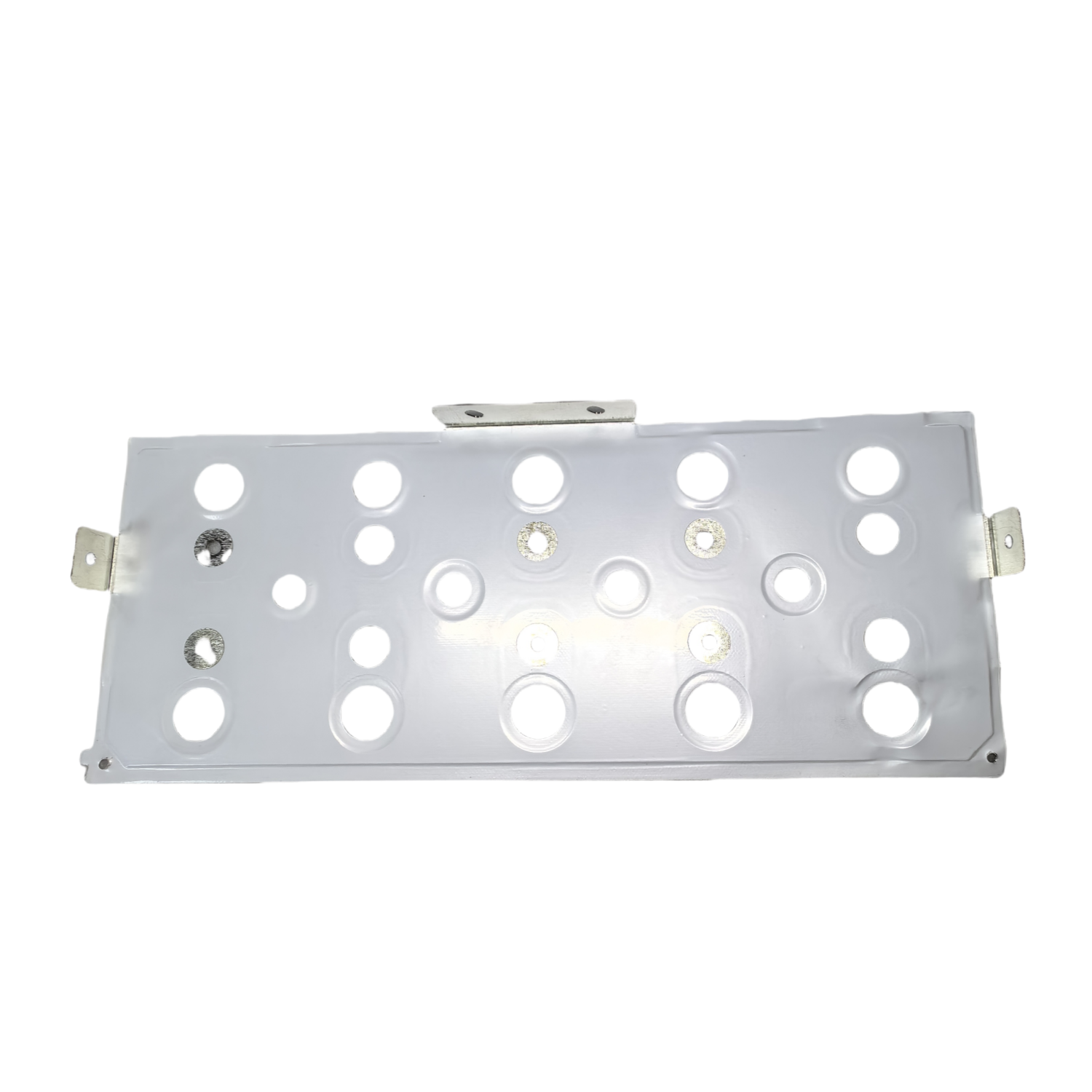
The finest electrical design is of little use to the end customer if it requires significant time and expense to manufacture and install reliably. Laminated busbars are manufactured through a precise lamination process: conductors and insulators are stacked in their correct positions, then heated and pressed to create a solid, unified product. Lamination process means that dimensional tolerances such as hole positioning, edge definition and even the overall flatness can be controlled precisely. This is essential when the laminated busbar has to precisely align with stiff battery terminals or connection interface. At Kinto, our machining centers enable all laminated busbars to be formed with complete geometric accuracy to customer designs, avoiding the inconsistencies often associated with hand bent cables or cast parts. When the laminated busbar arrives in an assembly line, it simply acts as one single, self-aligning unit, and requires minimal fastened operations to install when compared with the countless individual connections for a cable.
Conclusion
So, back to the original question: are laminated busbars suitable for every battery pack? Of course not. However, in any battery application requiring high current within a compact space, few technologies can compete on so many fronts: high conductivity in a flat format, excellent thermal performance, significantly reduced parasitics inductance, and ease of assembly—all core requirements in battery system design. If a solution cannot fit the available space, handle the required current, or manage thermal loads, it is simply not viable. The exception is simple low-voltage, low-current applications, where the higher manufacturing cost of a laminated busbar may not be justified—in such cases, a simpler design may offer lower front end cost. That being said, for higher density solutions, we at Kinto continue to invest in advanced lamination equipment and rigorous quality monitoring to ensure that our laminated busbars meet the evolving demands of tomorrow’s most compact and powerful battery packs.