EN
EN
 AR
AR
 BG
BG
 HR
HR
 CS
CS
 DA
DA
 NL
NL
 FI
FI
 FR
FR
 DE
DE
 EL
EL
 HI
HI
 IT
IT
 JA
JA
 KO
KO
 NO
NO
 PL
PL
 PT
PT
 RO
RO
 RU
RU
 ES
ES
 SV
SV
 CA
CA
 TL
TL
 IW
IW
 ID
ID
 LV
LV
 LT
LT
 SR
SR
 SK
SK
 UK
UK
 VI
VI
 SQ
SQ
 HU
HU
 TH
TH
 TR
TR
 FA
FA
 MS
MS
 GA
GA
 LA
LA

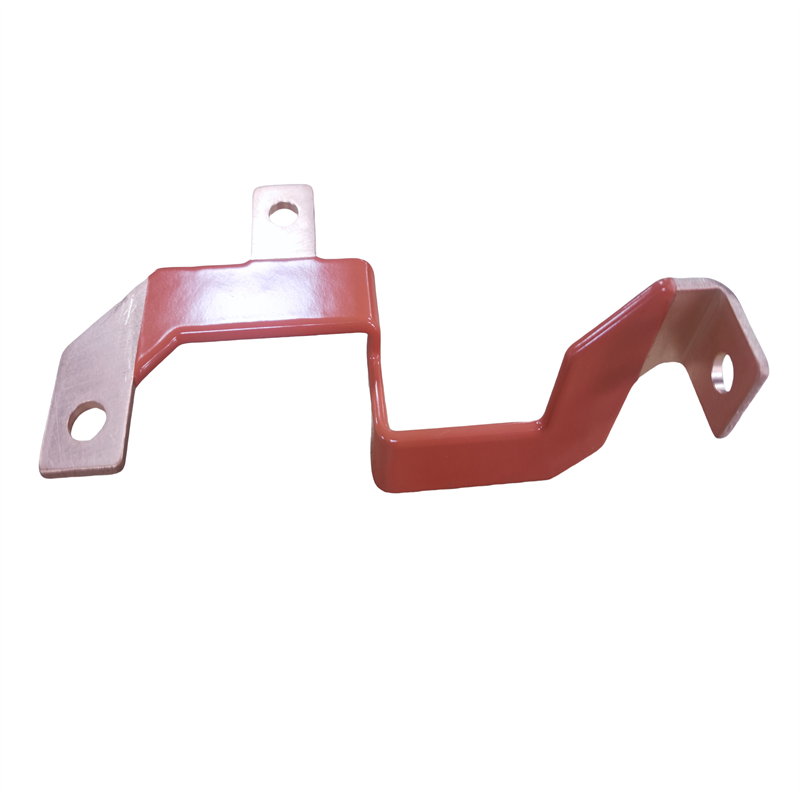
The choice of plating for your copper or aluminum busbar is an engineering trade off. The plating layer will influence contact resistance, corrosion resistance, operating temperature range, and of course cost. Bare copper readily forms a thin oxide layer when exposed to air. Although this oxide layer protects the underlying copper from further corrosion, it increases contact resistance over time, especially at bolted electrical joints.. Native oxide layers are equally problematic on aluminum busbars. For electrical busbars the three most common market choices for plating are tin, nickel and silver, and each has its own set of trade-offs. Knowing these trade-offs enables you to specify the right finish for electric vehicle batteries, power distribution equipment, or renewable energy grid interconnections. At Kinto we offer all three options and help customers select a specification based on real operating environments.
Tin Plating Cost Effective for General Applications
Why is tin the most popular busbar finish? Because it provides excellent protection against corrosion at relatively low cost. Tin plating primarily acts as a protective barrier that minimizes oxidation and maintains stable electrical contact over time. Tin remains a solderable surface which greatly eases manufacture. Tin however does have some specific performance related constraints. It has a maximum survivable temperature of around 150 °C. Prolonged exposure to elevated temperatures may accelerate the formation of copper–tin intermetallic compounds, which can gradually increase contact resistance. Also soft tin can be subject to galling or wear when subjected to repeated mating cycles. Fretting corrosion can also occur in high vibration environments where microscopic movement results in removal of tin film. If the application is for indoor power distribution or for general electrical panels with a low temperature profile, tin is the solution. Kinto recommends tin when budget is king and operating conditions are benign.
Nickel Plating Superior for High Temperature and Harsh Environments
Nickel plating works where tin doesn't have the durability. It can handle continuous operating temperatures of 260 degrees Celsius or more, depending on the particular nickel. Although nickel exhibits slightly higher contact resistance than silver or freshly plated tin, it provides excellent long-term stability under high-temperature and harsh environmental conditions. It also provides excellent barrier properties, preventing copper migration or potential corrosion in a salt spray or humid environment. Disadvantages are a higher cost than tin and slightly higher contact resistance than silver. Nickel is also a ferromagnetic material, which may require consideration in certain precision magnetic sensing or high-frequency electronic systems. However, for most power distribution, EV battery, and energy storage applications, its magnetic properties have little practical impact and are generally outweighed by its excellent wear resistance, corrosion protection, and high-temperature performance. For electric vehicle battery busbars exposed to under hood temperatures, industrial equipment in dirty environments, or in any marine applications, nickel is usually the preferred choice. Kinto has processes to plate and maintain consistent nickel thickness on very complex busbar geometries.
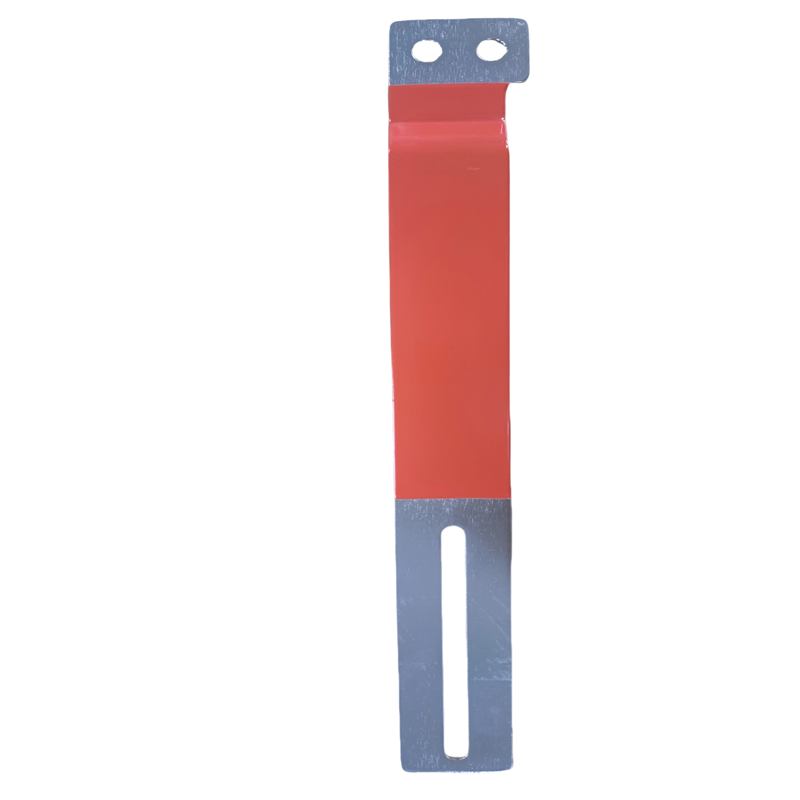
Silver Plating Maximum Conductivity for High Current Applications
Silver plating offers the lowest contact resistance among commonly used busbar finishes, making it ideal for high-current electrical connections. Silver plate is the finish of choice in high current, low voltage designs where even a millivolt drop comes at an unacceptable cost. Although silver remains highly conductive, it is susceptible to sulfur-containing environments where silver sulfide may form on the surface. Silver is relatively stable as an electrical conductor in various operating conditions. Silver tarnishes or forms a dark sulfide coating when exposed to sulfur environments, which can increase resistance. Silver is subject to extreme high humidity or pollution conditions. For these issues, silver is the plating of choice in mission critical applications such as electric vehicle main battery contact assemblies, high power charger units, and specialist high accuracy laboratory and test equipment. When your application requires the absolute lowest resistance and cost is an afterthought, silver is the undisputed king. Controlled thickness silver plating available from Kinto in 12 or 63 microns, turns and polished finishes.
Making the Right Choice for Your Specific Application
There is no single "best" plating solution. The optimal choice depends on operating temperature, environmental conditions, expected mechanical wear, electrical performance requirements, and overall project cost. First, evaluate the maximum operating temperature. Tin plating is generally recommended for applications below approximately 150°C, while nickel or silver plating is preferred for sustained high-temperature environments due to their superior thermal stability. Second, consider the operating environment. For clean indoor installations, corrosion is typically not a major concern. However, coastal, chemical, or industrial environments containing salt, sulfur, or other corrosive contaminants require more durable plating solutions. Third, assess the expected frequency of assembly, maintenance, or repeated electrical connections. Tin plating performs well in most industrial applications, while nickel plating offers greater wear resistance and long-term contact stability under repeated mechanical use. Finally, balance electrical performance against project cost. Applications where minimizing contact resistance is critical generally benefit from silver plating, whereas tin or nickel plating often provide the best balance between performance, durability, and cost for most industrial power systems. At Kinto, our engineering team evaluates each application individually to recommend the plating solution that delivers the optimal combination of reliability, performance, and cost-effectiveness.
|
Feature |
Tin Plating |
Nickel Plating |
Silver Plating |
|
Corrosion Resistance |
Good |
Excellent |
Excellent |
|
Contact Resistance |
Good |
Very Good |
Excellent |
|
High-temperature Performance |
Up to ~150°C |
Excellent |
Excellent |
|
Wear Resistance |
Moderate |
Excellent |
Good |
|
Relative Cost |
Low |
Medium |
High |
|
Typical Applications |
Power Distribution Panels |
EV, Industrial Equipment |
High-current & Precision Applications |