EN
EN
 AR
AR
 BG
BG
 HR
HR
 CS
CS
 DA
DA
 NL
NL
 FI
FI
 FR
FR
 DE
DE
 EL
EL
 HI
HI
 IT
IT
 JA
JA
 KO
KO
 NO
NO
 PL
PL
 PT
PT
 RO
RO
 RU
RU
 ES
ES
 SV
SV
 CA
CA
 TL
TL
 IW
IW
 ID
ID
 LV
LV
 LT
LT
 SR
SR
 SK
SK
 UK
UK
 VI
VI
 SQ
SQ
 HU
HU
 TH
TH
 TR
TR
 FA
FA
 MS
MS
 GA
GA
 LA
LA

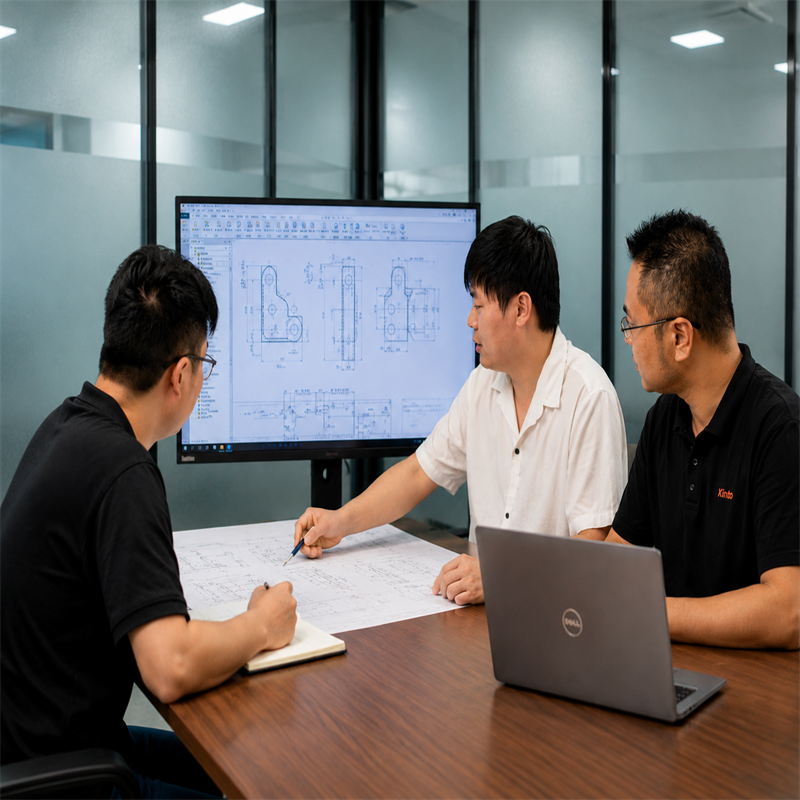
As PV energy storage projects grow more rapidly in scale, the need for quality power distribution becomes evident. Solar generation poses some unique challenges for a power distribution solution, and at Kinto, we recognized that need years ago and began developing dedicated bus bars. Factors that make PV applications unique are high DC voltage, extreme temperatures, and space-constraints.
Kinto engineers, in partnership with other renewable energy professionals, have designed, produced, and optimized customized bus bar designs for PV and energy storage for years. Four considerations for designing and using bus bars in solar + energy storage will be highlighted below:
Why Solar Energy Storage Systems Need Specialized Bus Bars
PV solar electricity generation is new compared to much of the world of electrical distribution, but traditional principles often still apply. Pv panels can generate enormous DC current in bright sunlight that powers the battery. And when it’s time for the batteries to discharge energy at night to back up the inverters. As this flow of electrons reverses back and forth between source and the load, repeated expansion and contraction of connection hardware to create less torque over time.
Our solar-grade bus bars include specialized terminal design and construction techniques to provide the steady torque required to guarantee continued connectivity through millions of thermal cycles. Due to the nature of outside environments solar operates in, it can experience very wide ambient temperature fluctuations-which may influence differently copper versus aluminum alloys; so Kinto uses methods of manufacture or construction with regard to how each specific metal’s molecular bonds perform under different temperature conditions and prevent the ingression of moisture that leads to electrical loss and premature connector failure. Many our solar bus bars are treated with corrosion resistant finishes, or have O-ring seals where needed to extend the effective lifespan of a 25 year install.
Key Electrical Specifications for PV Storage Bus Bars
Three key parameters to consider for your solar energy storage bus bars: Ampacity hot-solar generation occurs with elevated operating temperatures, so for rooftop and ground-mount projects it’s standard practice to de-rate the solar bus bars amp rating by at least 10-15 percent. Voltage rating-typical battery storage applications are operating anywhere from 600-1500 volts DC-much higher than the typical industrial bus bar; so attention to clearances and insulation becomes paramount. Kinto builds to very high voltage levels. Short circuit withstand-the battery bank’s discharge into the circuit path under a faulted condition can produce many thousands of amperes of current which will result in “melt-downs”, damage and, ultimately, system failure.We know how to reinforce these solar energy bus bar connections with our manufacturing processes.
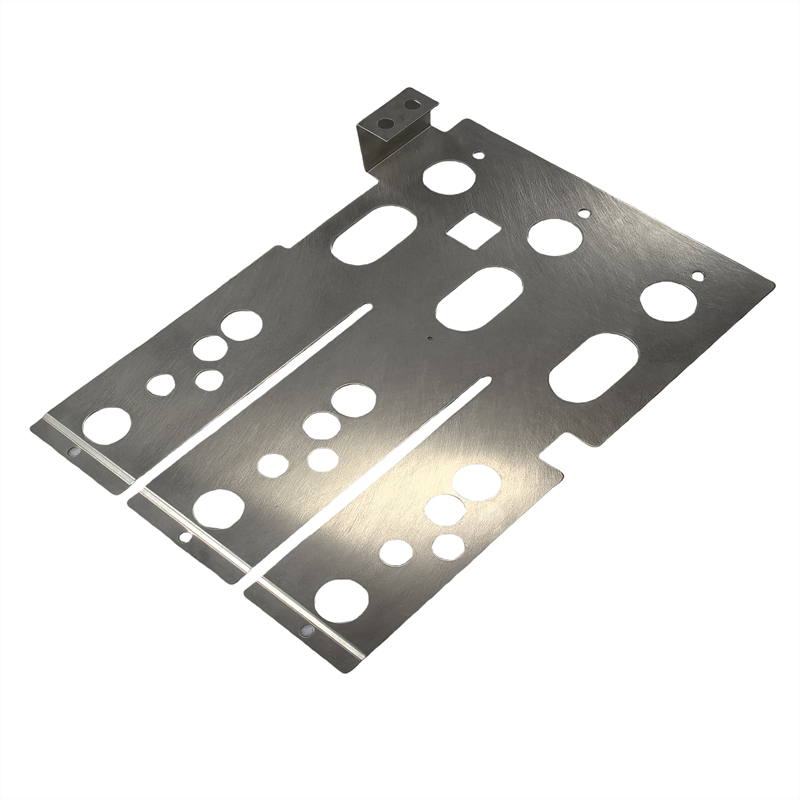
Customization Options for Unique Solar Project Requirements
PV applications will likely include a custom bus bar solution. Physical layout of a system, with space constraints in a solar combiner box versus a large solar inverter or battery cabinet will influence not only shape but material selection as well as number and arrangement of terminal points. Additional customization elements may include number of bends, hole patterns and hole location as well as standoffs or insulator mounting points. Some customers require specialized electrical performance properties; for example; purely copper construction provides the greatest amount of conductivity, in a very small amount of space; others may prefer to use the lighter weight of aluminum at a lower cost where space isn’t the primary design factor. The addition of flexible insulated bus bar may be of value in those designs that encounter excessive vibration; such as at an inverter panel, or for some tracker installations. For those applications that rely on faster switching power inverter technologies, reduced inductance via laminated or shielded bus bars can significantly improve system performance.
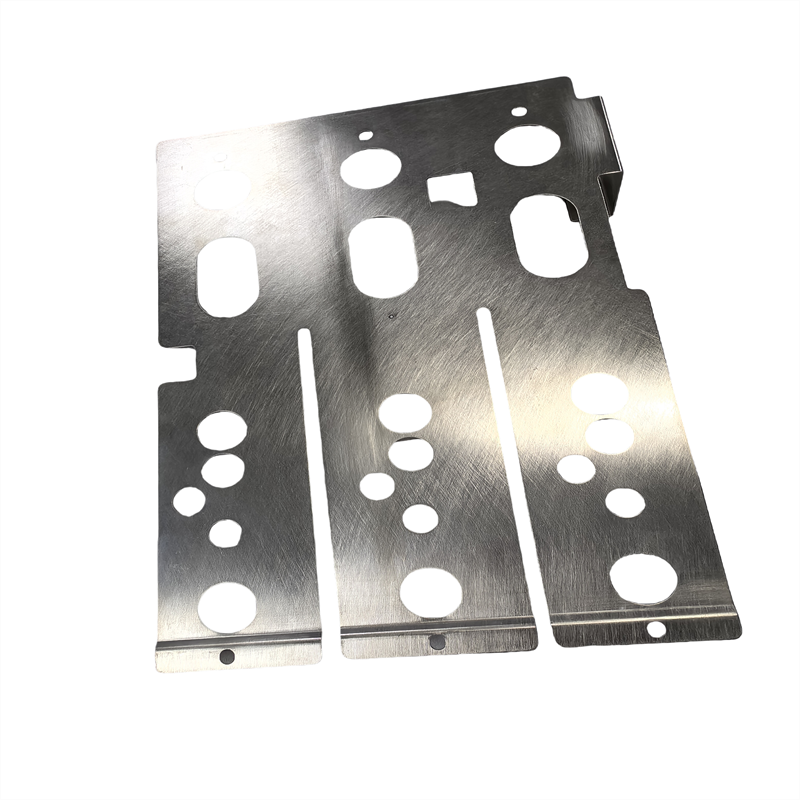
Installation Best Practices and Long Term Reliability
The lifespan of any solar power distribution solution will depend upon its’ proper installation. Prior to installation carefully examine the surface of each bus bar or laminte bus bar component for surface flaws that could indicate any type of internal contamination or physical defect that would result in poor performance over time. Our ultra-precise flatness controls provide for consistent contact pressure along the entire length of each bus bar’s power conducting surface. Use a quality torque wrench and fasten to the manufacturer’s specification; overtightening will damage insulation and strip threads, under tightening will cause the connection to “spark” due to high contact resistance. If your components include aluminum, it’s a good idea to use an antioxidant coating where aluminum connects to other metal or an electrical bus bar component to prevent the formation of oxides. A visual check and/or thermal reading taken under load during commissioning will provide great insights into hot connections. It is also a good idea to inspect visual inspection for any potential issues during each year’s service for any connections in an area subjected to vibrations. Kinto’s production is managed under the quality requirements of IATF 16949 and ISO 9001. This quality certification ensures consistency of parts fabrication across years. Consequently, you can always source a direct replacement for your original Kinto solar bus bar for decades to come.
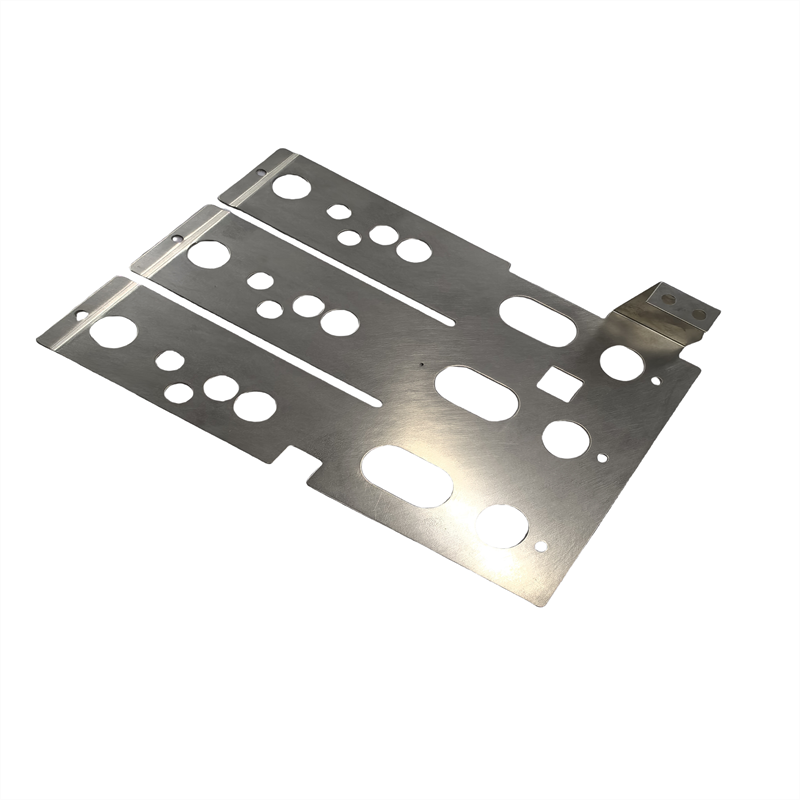
Conclusion
A reliable solar power distribution system-solar electricity’s back and forth flow from source to battery and back, along with the extreme solar environment require robust design and construction. Carefully considering the unique needs of the electrical bus bars for your solar power generation system will produce an electrical installation with very long service life. Kinto offers a variety of expertise regarding critical copper and aluminum power conductors used in PV and battery systems. Call our technical experts and let’s discuss the particulars of your next installation-we’d like to provide a solution that fits to your specific space, electrical, and application requirements and builds to exacting precision.