EN
EN
 AR
AR
 BG
BG
 HR
HR
 CS
CS
 DA
DA
 NL
NL
 FI
FI
 FR
FR
 DE
DE
 EL
EL
 HI
HI
 IT
IT
 JA
JA
 KO
KO
 NO
NO
 PL
PL
 PT
PT
 RO
RO
 RU
RU
 ES
ES
 SV
SV
 CA
CA
 TL
TL
 IW
IW
 ID
ID
 LV
LV
 LT
LT
 SR
SR
 SK
SK
 UK
UK
 VI
VI
 SQ
SQ
 HU
HU
 TH
TH
 TR
TR
 FA
FA
 MS
MS
 GA
GA
 LA
LA

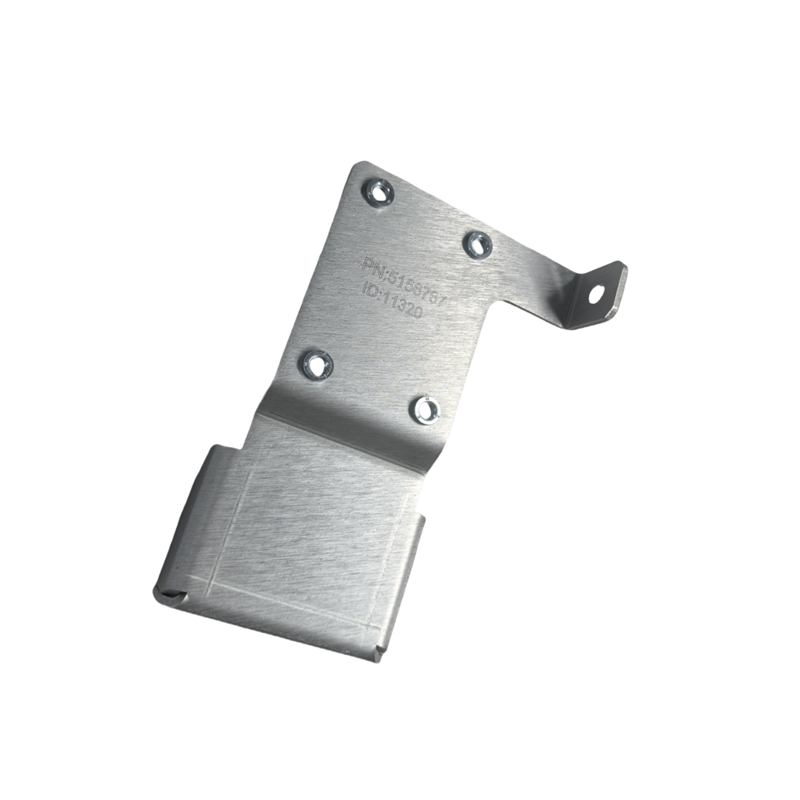
The busbar is the foundation behind a stable power distribution system, and it is manufactured with great care and precision. For almost 20 years, our production methods have been continually improved at Kinto to convert raw copper and aluminum into products that are ready to use as busbars for the most challenging of requirements. Knowing how it is made gives engineers insight into the care which is put into every item, and why quality control is crucial at each stage. We operate with a process of strict protocols which have been certified to ISO 9001 and IATF 16949, from incoming materials verification all the way to final packaging. This tutorial takes you through the four main stages in the manufacturing of busbars.
Raw Material Selection and Preparation
The beginning is with high grade coils and bars of copper and aluminium. At Kinto, we only buy from reputable mills that issue material certificates certifying values of electrical conductivity and chemical composition. The copper we use is usually electrolytic tough pitch copper (ETP) of at least 99.9 percent purity. For aluminum, the alloys chosen are 1060 or 6061, depending on the specific applications. Each lot is inspected when it is received. Prior to cutting, all dimensions are checked, surfaces will be checked for condition and conductivity testing to ensure the material complies with our standards. The next step is the uncoiling and straightening stages of the preparation. With these rolled metals, often times a residual stress is left at the mill, thus a precision straightening machine is available to ensure flatness within close tolerances. If further processing needs to take place and the final product demands a specific grain direction or mechanical properties, busbars are monitored for material orientation during subsequent processing. At this point, cleanliness is important as well: any oil or dirt can impact on future steps in the process, including plating or insulation.
Precision Cutting and Forming
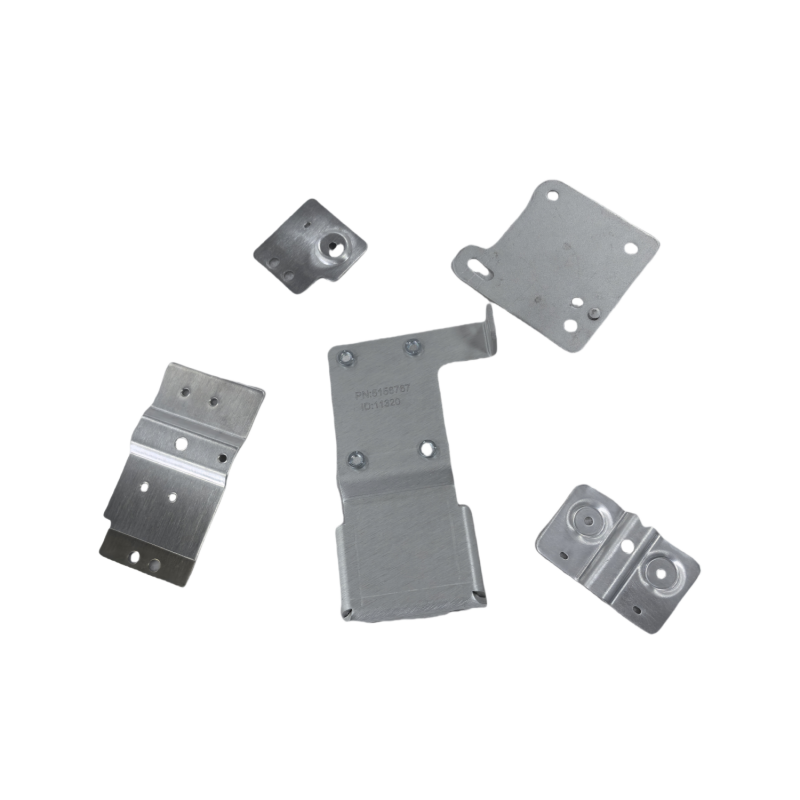
Once material is prepared it should be cut to about the correct size and the initial shapes cut out. The shearing & sawing equipment used is very precise and makes super clean edges without burrs. Our fully automatic cutting lines are able to produce consistent cut lengths of just 0.1mm for high volume orders. Many busbars need to be bent, punched or embossed after cutting. Complex geometries can be easily done with our huge CNC controlled presses and bending brakes available in our fabrications centres. From a simple flat bar to a multi plane bend with multiple holes we deliver extremely close tolerances for all components. This stage of production in the case of laminated busbars is the process of cutting of individual pieces and inserting them with insulating material between each piece. Laminated products have unique characteristics when forming, as special care must be taken to ensure alignment between the layers. Operators make in-process measurements throughout cutting and forming with digital calipers and coordinate measuring machine.
Machining and Surface Treatment
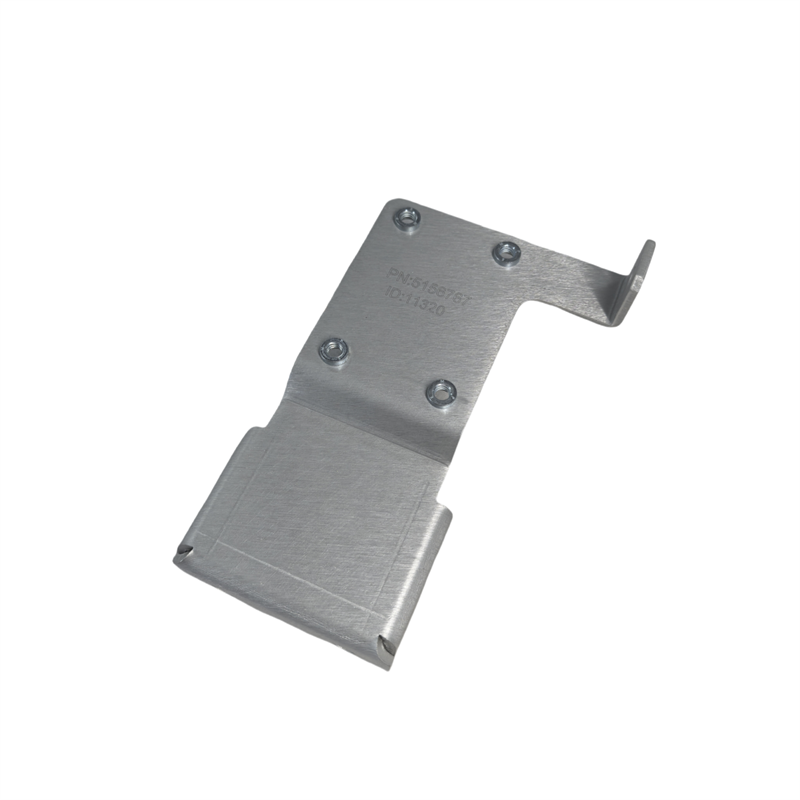
Frequently busbars are complex components which need amendments to the basic cutting and forming processes. Kinto's machining centers feature CNC milling machines and drilling stations that can produce custom hole patterns, slots and counterbores. Customized unique geometries cannot be accommodated with standard tooling; however, customized tool paths are programmed into the machine to create the desired feature for your application. Care is taken in the careful inspection of threaded holes for terminal connections to make sure that the hole is sized to receive the terminal connection properly and that the hole is the correct depth.
Surface treatment processes start after the machining. A simple clean/repassivation treatment may be performed on bare busbars. We can also plate with tin, nickel or silver for corrosion resistance or to enhance contact surfaces for special applications. The plating process consists of cleaning, surface activation, and electroplating to achieve a specified coating thickness. Even the most complex shapes are coated uniformly using a controlled bath chemistry and current density. Insulation materials like epoxy powder coating or heat shrink sleeving are applied at this stage in the flexible insulated busbar process.
Final Assembly Quality Control and Packaging
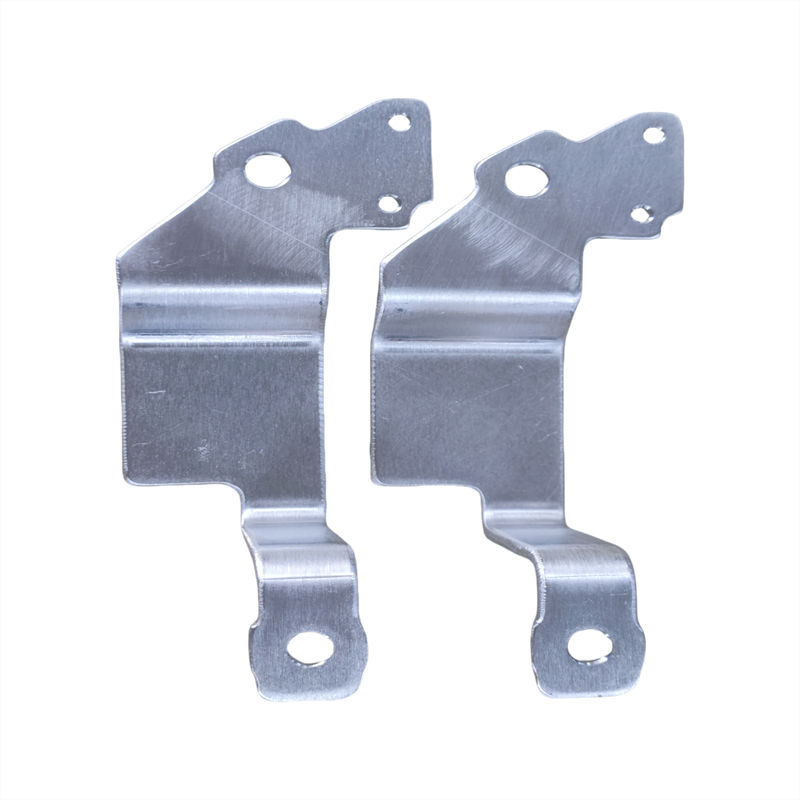
The last stage is the joining of components to create finished busbars, which are ready for installation. Simple one piece busbars only require this step, at which point the product would be cleaned and measured for final product. We perform stacking, riveting or fastening processes, as per your assembly drawing, for laminated or multi piece assemblies. All assembled busbars have electrical testing performed. We measure DC resistance and compare it against calculated values based on material properties and geometry. Any busbar with resistance values which exceed the acceptable levels is rejected and further investigated to establish root cause. A test for dielectric strength demonstrates that the voltage rating of insulation is reached. We also do mechanical pull testing on fastenings and connections for busbars to be used in high vibration environments. Under appropriate lighting, any flaws in the surface can be detected through visual inspection, which may impact long term reliability. After testing, each busbar is cleaned once more to get rid of any fingerprints or busbar handling marks. The packaging is used to protect during shipping. All busbars are separated with protection solvents and moisture barrier bags are included for plated parts. A certificate of conformance with traceability back to the material lot is also provided with each package.
Conclusion
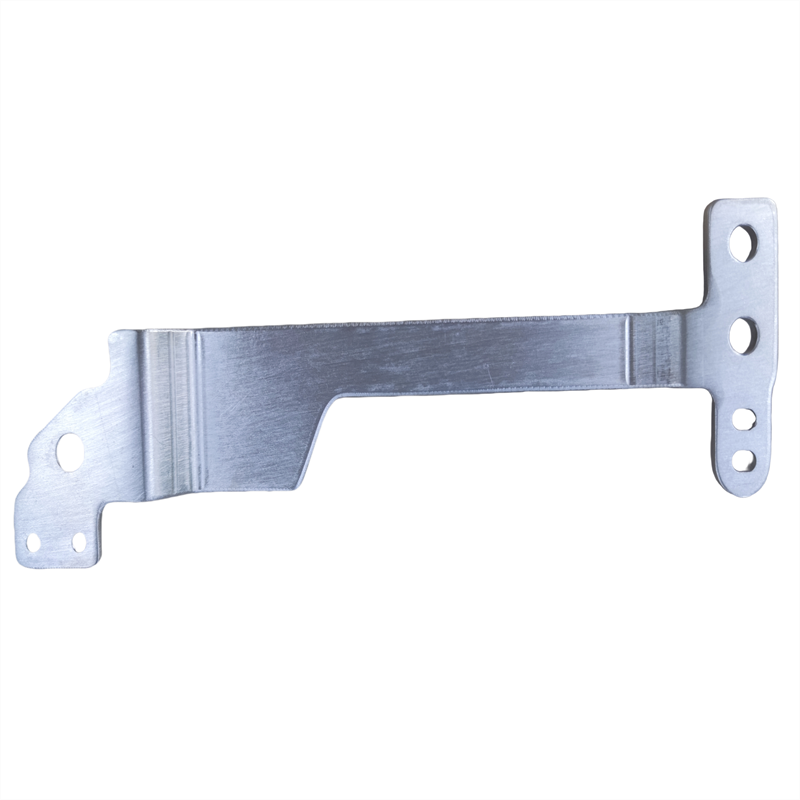
Quality control in the manufacturing of a high quality busbar encompasses careful attention to detail from raw material selection until the end of the packaging processes. Precision busbar bending and an extensive quality control system at Kinto guarantee that each copper or aluminum busbar is manufactured precisely to fit your needs. From simple flat bars to complex laminated assemblies, no matter what tight tolerances you require, our process will yield a consistent result each and every time. We encourage you to call us about your next busbar project and see the advantage of complete process control to assure part quality and reliability in your end product.