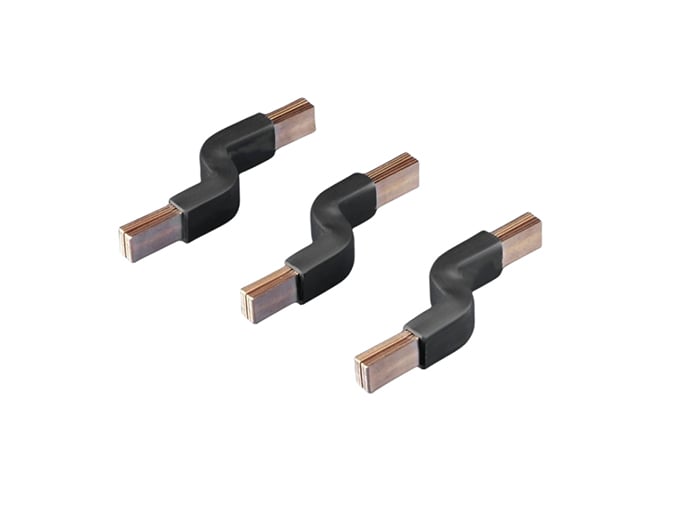
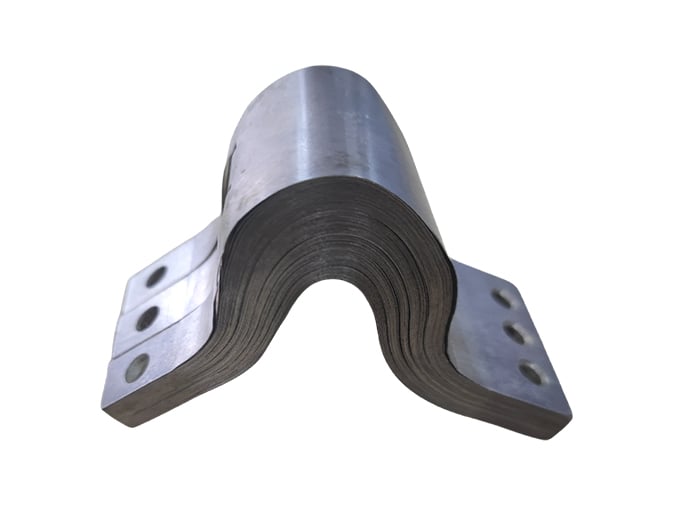
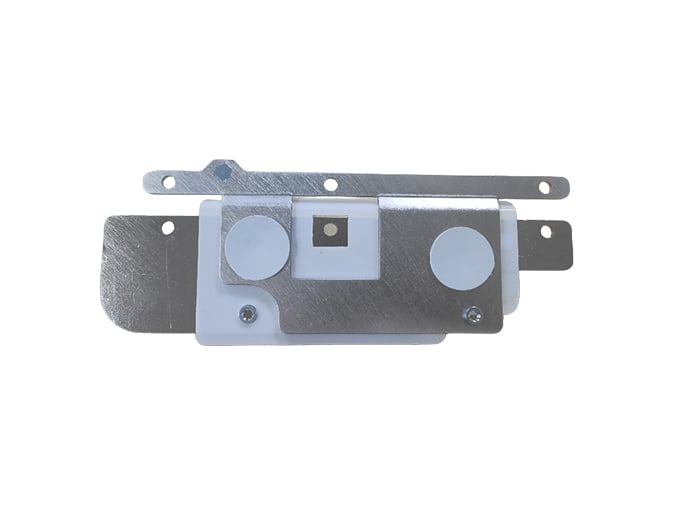
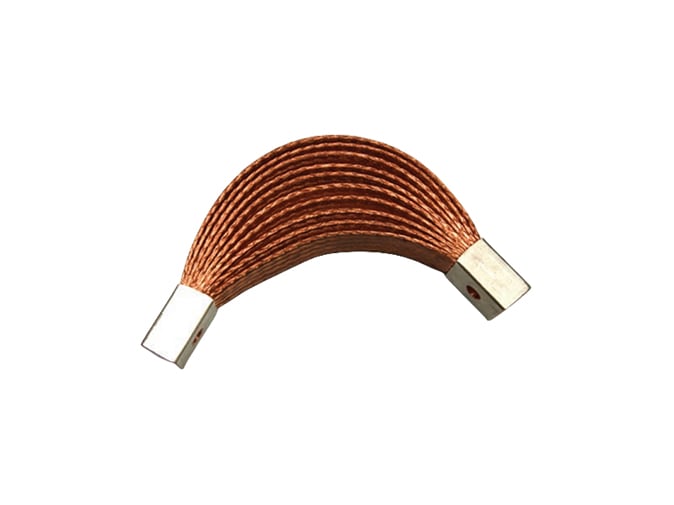
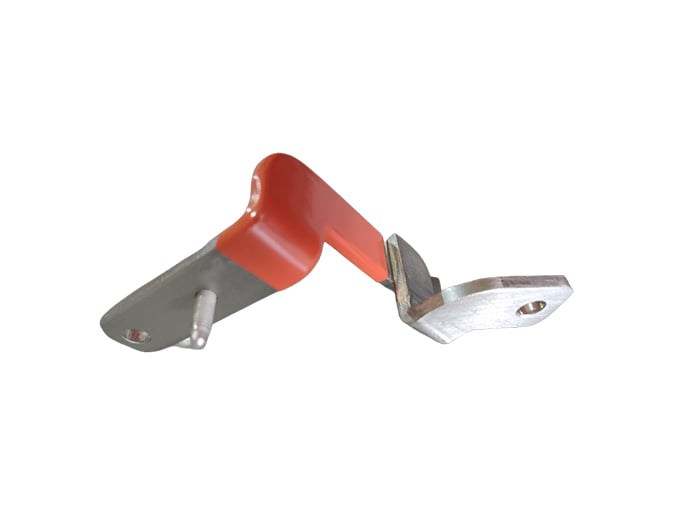
Por strategjia bëhet e pavollshme për shkak të mungimit të busbarave të vogla, që përpjeston një zgjidhje e fluturshme për kombinimin e llogaritjes së energjise me optimizimin e hapësirës në universin e ndarjes së energjise elektrike. Këto forta e vogla janë esenciale në botën e sistemeve moderne elektrike sepse mund të largojnë struget e madhe me hapësirë minimale të zematër dhe luajnë rol të rëndësishëm në ndarjen e energjise elektrike. Kërkesa e rritur për zgjidhje inovative për të përmirësuar efikasitetin elektrik pa komprometuar sigurinë ose kapaciteten si teknologjia bëhet më e përparuar.
Gjatë konduktimit të energjise elektrike prodhon gjegje të pakompaktave, kështu që busbarat e vogla mund të përdoren në krahasim me konduktorë të plotë të madhe të ndërtuar nga kopër dhe aluminium. Ky procedim i thellë i rrefilljes jo vetëm që përmirëson performancën totale të sistemit, por edhe hap mundësi për të parashtruar koste dhe të mbështetë iniciativat për qeverimin e rrezikave. Fakti që janë ashtu larg njëra tjetrës do të lejojë rrefilljen të bëhet lehtë, duke ulur edhe më tepër përdorimin e energjisë dhe duke mbështetur iniciativat e gruaja.
Industriat si aeroespace, qendrata e të dhënat dhe automjet elektrik rregullisht takojnë me këto kufizime të hapësirës. Largimi i zgjasjeve në energji lejon inxhinierëve të mbushin më shumë performancë motorike ndërkohë që ruhen kufizimet e madhësisë. Largimi i tyre i ofron fleksibilitet që ndihmon në konfigurime personalizuara që mund të dizajnohen për të plotësuar kërkesat e përbashketa hapësire, dhe kjo gjë do të fshijë eventuale praktikat e kablave konvencionale. Teknologjite më të reja si printimi 3D dhe dizajnet modulare kanë rritur adaptabilitetin edhe më tepër të busbarreve të vogla për të plotësuar kërkesat të ndryshme në sfidat e inxhinierisë sotme.
Bardhët e larg me dyqan jo vetëm që rritin efikasitetin në hapësirë por gjithashtu ndihmojnë së varur në fortifikimin e infrastrukturës së energjisë. Këto komponente mund të mbajnë densitete të larg të larta, lejont për kalimin e ardhshëm nëpër shpërndarjen e energjisë me densitet më të larg që nevojiten kur burimet e energjiseq renewable dhe sistemet e mikrogrideve bëhen dominante. Ata lejojnë menaxhimin dinamik të ngarkimeve, lejojnë përgjigje të shpejtë në ndryshimet e kërkesave dhe ndihmojnë në mbajtjen e stabilitetit të rrjetit. Së themi, robustia e tyre në kapsona ambientale ekstreme siguron një furnizim të vazhdueshëm të energjisë - një element i thelbëshëm që është kyç në qendrën e qëndrimit të energjisë.
Për ardhmën, busbarat me toleranc të ultrë për ndarjen e energjisë me densitet larg do të rriten në rëndësi. Kërkesa për transmetim efikas dhe i besueshëm i energjisë është më larg se kurr nëpërmjet zhvillimit të automjeteve elektrike, qyteteve të shkëlqyera dhe teknologjive të Industrie 4.0. Busbarat - Bus bar e vogël do të thjeshtojnë infrastrukturën e ngarkimit për EV, nevojat e energjisë në qendrat e të dhënave dhe fabrikat e ardhmes me sisteme avansuara të menaxhimtimit të energjisë. Skalabiliteti i tyre, në kundër, ofron fleksibilitetin e nevojshëm për të plotësuar kërkesat e reja teknologjike dhe i bën ato si pjestë kryesore të sistemeve të energjisë të qëndrueshme dhe të resistent.
Integrimi i pa kthim të saj i vogla busbare në sisteme komplekse është një nga beneficat e parë të saj. Me fokus në modularrinë si veçori kryesore, instalimi, zëvendësimi dhe shërbimi mund të jenë super-larg dhe përgjithësisht koha e ndalimit lidhur është minimizuar, duke larguar ndërprerjet e kushta në设施建设. Paraqitur me junctione dhe ndrrmagje standard, busbarat e vogla janë më leht për lidhje në krahasim me llojin më tradicional të junctioneve të madhe të pajisjeve të rëndomta të zhvilluara për përdorim në AFCs. Sot, software-i i simulimit e lejon të modelohet dhe optimizohet trajtja e busbareve para se të inxhinerohet çdo pjesë, duke funksionuar optimalisht nga dita e parë. Këto janë kapacitete ideale për reconcilimin dhe adaptimin në një botë të dinamike të sistemeve.
Në kundërkeshtim, baredoret e larg me janë një ndryshore për përpjekje dhe ruajtje të hapur të shpalljes së energjisë. Largimi i tyre si mjetë në armët e inxhinierëve elektrike moderne s’mund të theksuash: maksimizojnë efikasitetin elektrik, adaptohen në aplikime me kufijra të hape, rrit infrastrukturën energjike, formojnë ardhmen e shpalljes së energjisë me densitet larg dhe integrohen pa çmendje në sisteme komplekse. Kur teknologjia larg dhe zgjeron kufijet e reja, baredoret e larg shqyrjan rrugën duke ndikuar në ndryshime të dizajneve që zvogelojnë konsumimin e energjisë për një ardhje më miqeve me mjedosin.
Efikasiteti është kulmi i çdo sistemi elektrik të ndjeshme, dhe busbarat e larg me vlerë ndajnë në këtë qëllim. Duke përdorur materiale me larg conductivitet si kopër ose aluminium, këto busbara minimizojnë humbjet rezistive, siguruan se më shumë energji arron ngarkuesit e ndërlarguara. Përcaktoja e tyre e lehtëson shpërnguljen e ushtrisë, duke përmirësuar edhe efikasitetin përgjithshëm të sistemit. Më presje, vendosja strategjike e sistemeve të rrefilljes rreth busbareve të larg mund të jetë shumë efektive për shkak të trajtimit të tyre të koncentruar, zvogëlon nevojën për mekanizma të ndjeshme të rrefilljes. Kjo jo vetëm optimizon përdorimin e energjisë por edhe kontribion në ardhurat dhe fillimet e qëndrueshme.
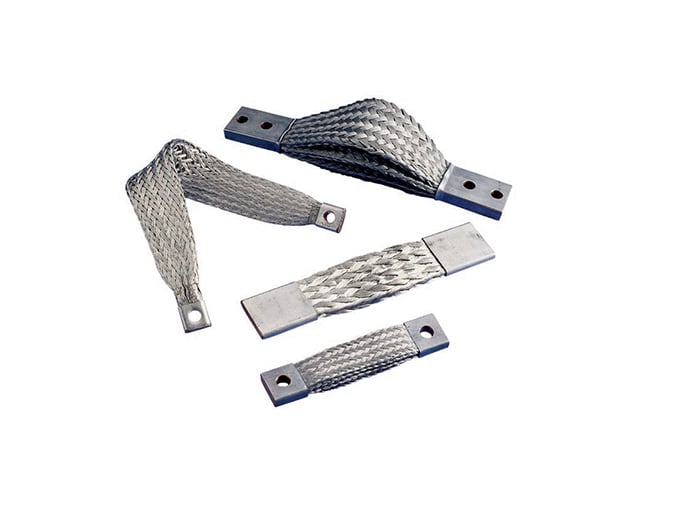
Kufijt e hapesirës janë të përhapura në shumicën e industrive, nga aerokosmiku deri në qendrat e të dhënave dhe automjetet elektrike. Busbarrat e larg dhe ofrojnë një zgjidhje fleksible, lejonte inxhinierëve të mbushin më shumë energji në më pak hapësirë pa të humbur performancën. Forma dhe konfigurimet e përshtatshme lejojnë tyre të përfitojnë brendaj layouteve komplekse, zakonisht zëvendësojne sistemet klasike të kablave të cilat ndryshe do të konsumonin vellime të rënda. Inovacione si printimi 3D dhe dizajnat modulare kanë shkëlqyrë kufijt e aftësisë, lejonte prototipim të shpejtë dhe zgjidhje të përshtatshme për aplikime më të komplikuara. Këto avancime tregojnë adaptabilitetin e busbarrave të largdhe në takimin e sfidave unike të inxhinierisë moderne.
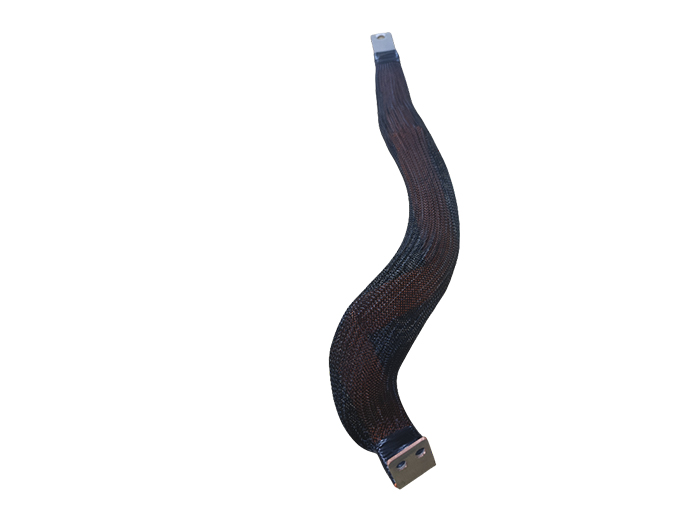
Integrimi i linjave të vegluleshme shkalla te ndjen me larg mesatarët e thjeshtimit të hapësirës; është një lëvizje strategjike drejt përmirësimit të rezistencës dhe fleksibilitetit të infrastrukturës së energjisë. Me aftësinë e tyre për të përballet densitet korri të larg, këto komponente lejojnë kalimin nëpër përpunimin e energjisë me densitet larg, një nevojë në një erë shenjtuar nga rritja e burimeve të energjisë qeveriëse dhe sistemeve të mikrogrideve. Ata mbështeten në menaxhimin dinamik të ngarkimeve, lejueshëm përgjigje të shpejtë për ndryshimet në kërkesën, duke kontribuar nëpërmarrjen e stabilitetit të rrjetit. Më tepër, robuştia e tyre kundër faktorëve ambientash të sigurojnë veprimtari të vazhdueshëm, një faktor kryesor në ruajtjen e furnizimit të energjisë pa ndal.
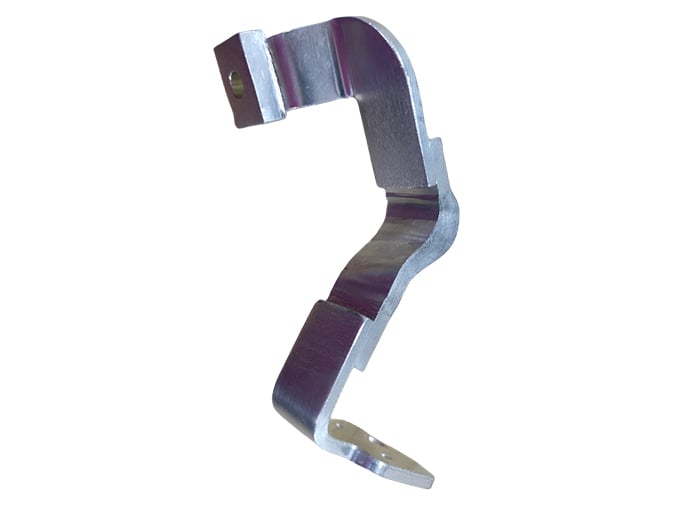
Kur shikojmë larg në ardhje, baredoret e vogla janë të gatshme të luajnë një rol më pronar në formimin e paisajit të përpjekur për ndarjen e energjise me densitet larg. Me rritjen e automobilave elektrike, qyteteve të shkaktuara dhe teknologjive të Industrie 4.0, nevoja për transmetim efikas dhe i besi të energjisë ka qenë kurrë asnjëherë me e madhe. Sistemet e baredoreve të vogla do të jenë instrumentale në t'i ndihuar infrastrukturave të ngarkimit të shpejt të nevojshme për AV-të, në mbështetjen e kërkesave të pafatme të energjise për qendrat e të dhënave dhe në lejimin e sistemeve të menaxhimit të energjise të përbashkët të fabrikeve të nesër. Skalabiliteti i tyre i Larg dhe i Larg i biseduar i biseduar i biseduar i biseduar i biseduar i biseduar i biseduar i biseduar të saj.
Kinto fokusohet në përmirësimin e kontrollit të kushteve përmes optimizimit të vazhdueshëm të proceseve të prodhimit. Zvogëloni humbjen e lëndës së parë dhe pajisjeve, përmirësoni shfrytëzimin e pajisjeve, si dhe përdorni metoda të tjera për të arritur një kontroll efikas. Bashkëpunimi i gjatëkohëshëm dhe i qëndrueshëm me furnitorët garanton konkurrueshmërinë e kushteve të blerjes së materialeve të para. Gjithashtu, fut aktivisht pajisje të reja dhe teknika prodhimi për të përmirësuar cilësinë dhe efikasitetin e përpunimit të produkteve, gjë që ndikon në uljen e kushteve të prodhimit. Këto masa na lejojnë të ofrojmë klientëve tanë çmime më konkurruese, duke siguruar njëkohësisht cilësi të lartë të produktit dhe të arrijmë një balancë optimale midis kushteve të busbar-it të vogël dhe konkurrueshmërisë në treg.
Kinto është një prodhues i njohur i busbar-ave, i krijuar në vitin 2005. Ai zë një sipërfaqe prej rreth 8000 metrash katrorë. Kompania është e përkushtuar për zhvillimin e pajisjeve të reja për ruajtjen dhe transmetimin e energjisë, si dhe të aparatave elektronike dhe të komunikimit. Ajo ka vite të gjata të njohurive dhe të përvojës, si dhe teknologjinë më të avancuar. Kompania ka investuar në pajisje moderne përpunimi dhe në një sërë mjetesh testimi të sakta, me qëllim që secili produkt të plotësojë standardin më të lartë cilësie. Ekspertët e kërkimit dhe zhvillimit (R&D) dhe të teknikës kanë njohuri thelbësore dhe përvojë praktike për ofrimin e busbar-ave të vegjël të personalizuara, që plotësojnë një gamë të gjerë kërkesash të kërkuara në procesimin industrial.
Është akredituar sipas standardit ISO 9001 dhe ISO 14001, si dhe IATF 16949. Për të siguruar një cilësi të qëndrueshme dhe të sigurtë, kompania kontrollon çdo aspekt të procesit, duke filluar nga blerja e materialeve të para deri në prodhimin përfundimtar të busbar-it të vogël. Ajo përdor edhe një sistem dixhital menaxhimi për të përmirësuar efikasitetin dhe saktësinë e prodhimit. Menaxhimi i vizatimeve teknike në mënyrë dixhitale përmes sistemit EDM ofron transparencë, saktësi, si dhe mbështetje të fortë për dizajnimin dhe prodhimin e produkteve.
Kinto vendos gjithmonë klientin në vend të parë dhe ofron shërbim të jashtëzakonshëm klienti për të krijuar një situatë fitore-fitore. Ekipi ynë i shërbimit klienti është shumë i kualifikuar dhe është gati të mbledhë dhe të analizojë sugjerimet dhe feedback-un e klientëve. Kjo na lejon të përmirësojmë produktet dhe shërbimet tona. Ne kemi vendosur një partneritet bashkëpunimi të gjatë dhe të mirë me shumë enterprise të mëdha dhe mesatare si në vend ashtu edhe në huaj, si p.sh. Danfoss, Ballard, Methode Electronics, MARQUARDT, WEICHAI, RPS Switchgear, FLEXLINK, Mersen, ABB, SIEMENS, ChangyingXinzhi, OLIMPIA, VACON.
Njëra e larg dhe prej avantajve kryesore të busbarreve të vogla luan në lehtësinë e integruar në sisteme ekzistuese dhe të reja. Natyra e tyre modulare lejon instalim, zëvendësim dhe rregullim të lehtë, zvogëllind përpjekjen dhe kostet të bashkangjitura. Lidhjet e paralarguara dhe ndërfaqet e standardizuara simplifikojnë procesin e lidhjes, bënjë ato një zgjedhje të qëndrueshme për përmirësime dhe zgjerime të sistemit. Përditësimisht, software i avancuar për simulim tani e lejon dizajnerve të modelojnë dhe optimizojnë precizisht trajnimet e busbarreve para implementimit fizik, duke siguruar performancë optimale nga fillimi. Ky nivel i kompatibilitetit dhe fleksibilitetit është i rëndësishëm në një kohë që agiliteti i sistemit është i thelbëshëm.
Për kundërshtatje, busbarat e larg dhe të vegjël janë një hapi thelbësor përmes korarit për një ndarje të energjisë efikase dhe me shumicë të hapur. Aftësia e tyre për të maksimalizuar efikencën elektrike, të adaptohen në aplikime me kufij të krahutur, të përmirësojnë infrastrukturën energjike, të formojnë ardhmërinë e ndarjes së energjisë me densitet larg dhe të integrohen pa problem në sisteme komplekse i bën ato si burra e pavlereshme në arsenalin e inxhinierit elektrik moderne. Nga momenti që teknologjia e sjell kufijtë e mundshme, busbarat e vogla janë në para, duke lejuar inovacione që na shqetërrojnë drejt një ardhmërë më qëndrueshme dhe me ndarje të energjisë më efikase.
Të drejtat e autorit © Kinto Electric Co., Ltd. Të gjitha të drejtat e rezervuara
 EN
EN
 AR
AR
 BG
BG
 HR
HR
 CS
CS
 DA
DA
 NL
NL
 FI
FI
 FR
FR
 DE
DE
 EL
EL
 HI
HI
 IT
IT
 JA
JA
 KO
KO
 NO
NO
 PL
PL
 PT
PT
 RO
RO
 RU
RU
 ES
ES
 SV
SV
 CA
CA
 TL
TL
 IW
IW
 ID
ID
 LV
LV
 LT
LT
 SR
SR
 SK
SK
 UK
UK
 VI
VI
 SQ
SQ
 HU
HU
 TH
TH
 TR
TR
 FA
FA
 MS
MS
 GA
GA
 LA
LA