EN
 AR
 BG
 HR
 CS
 DA
 NL
 FI
 FR
 DE
 EL
 HI
 IT
 JA
 KO
 NO
 PL
 PT
 RO
 RU
 ES
 SV
 CA
 TL
 IW
 ID
 LV
 LT
 SR
 SK
 UK
 VI
 SQ
 HU
 TH
 TR
 FA
 MS
 GA
 LA

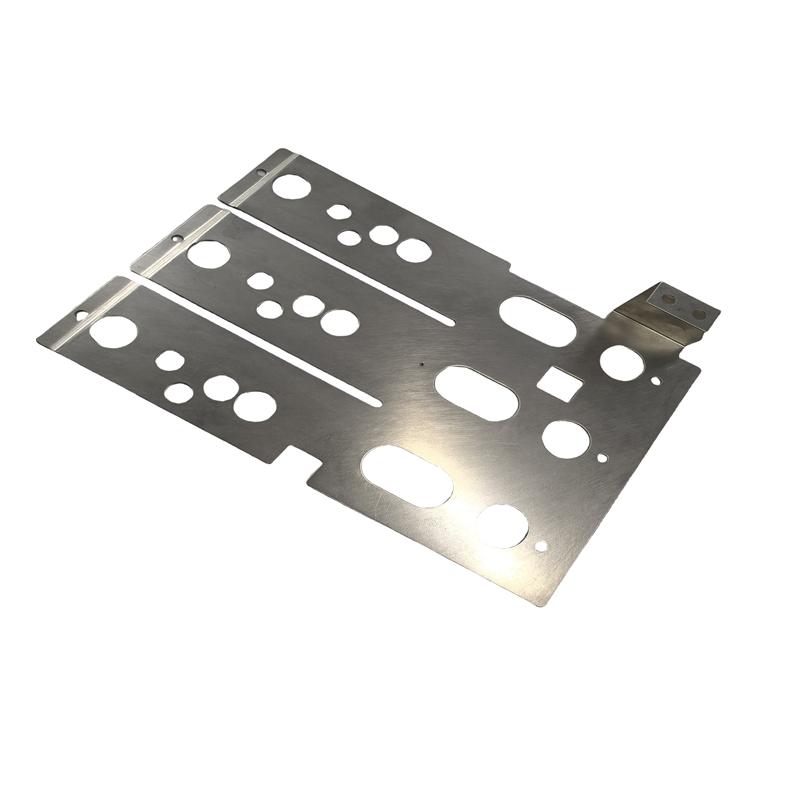
Consistent busbar quality depends on more than precision equipment. It requires effective process control, practical design for manufacturing (DFM), and reliable inspection throughout production. Without these elements, even a well-designed copper or aluminum busbar may encounter dimensional variations, assembly difficulties, or unnecessary production costs.
With more than 20 years of manufacturing experience, Kinto Electric produces custom busbars for EV, energy storage, and industrial applications. By integrating quality control with early DFM reviews, manufacturers can identify potential issues before they affect production efficiency, delivery schedules, or product consistency.
In-Process Quality Control
Quality control begins with incoming material inspection and continues through fabrication, surface treatment, assembly, and final inspection. Each stage can influence the dimensions, electrical performance, and overall quality of the finished busbar.
Depending on the product requirements, key inspection points may include material thickness, hole positions, bend angles, flatness, burrs, and surface condition. For plated or insulated busbars, coating thickness, surface coverage, and insulation integrity may also require verification.
Checking critical characteristics at appropriate production stages helps identify deviations before they affect larger quantities of parts. For example, an incorrect bending setup may cause repeated dimensional errors, while excessive burrs can create assembly or insulation concerns.
For products requiring tight tolerances, suitable measurement methods and inspection frequencies should be established according to the drawing, production process, and customer requirements. Where applicable, statistical process control (SPC) can help identify trends in measured data and support timely corrective action.
The objective is not simply to inspect finished parts, but to detect and address potential problems as early as practical.
DFM: Improving Manufacturability Before Production
Many manufacturing challenges can be addressed during the design stage. A DFM review evaluates whether a busbar can be produced consistently using suitable materials, equipment, and manufacturing processes.
For custom copper and aluminum busbars, several design details deserve particular attention.
Bend radii and material properties: The minimum practical bend radius depends on material thickness, temper, and forming conditions. Reviewing these factors early can help reduce the risk of cracking, deformation, or inconsistent bending results.
Hole-to-edge distances: Holes placed too close to edges or bending areas may create punching or forming difficulties. Adjustments, where permitted by functional requirements, may improve manufacturability.
Dimensional tolerances and assembly fit: Critical dimensions should be clearly identified, and tolerances should reflect actual functional needs. Overly tight tolerances can increase manufacturing and inspection costs without necessarily improving product performance.
Laminated busbar construction: For laminated designs, layer alignment, insulation thickness, bonding areas, and stack-up tolerances should be reviewed together. The effects of welding, forming, and assembly on insulation integrity should also be considered.
Manufacturing process selection: Punching, bending, CNC machining, and other fabrication methods have different advantages. The most suitable process depends on part geometry, material, tolerance requirements, order volume, and cost targets.
The goal of DFM is to maintain the customer's functional requirements while identifying practical opportunities to simplify manufacturing, reduce unnecessary processing, and improve production consistency. Any proposed design changes should be reviewed and approved by the customer before implementation.
Inspection, Testing, and Traceability
Final inspection helps verify that finished busbars meet the agreed technical requirements before shipment. The inspection plan should reflect the product design and intended application rather than apply the same tests to every part.
Depending on the project, verification may include dimensional measurement, electrical resistance testing, plating thickness measurement, or dielectric withstand testing for insulated components. Temperature-rise, thermal cycling, vibration, or other environmental tests may be required for specific applications.
Dimensional inspection methods can include calipers, gauges, optical measurement systems, and coordinate measuring machines (CMMs), depending on the geometry and required accuracy. Selecting the right method helps ensure that critical characteristics can be checked reliably and efficiently.
Traceability is equally important. Batch identification linked to relevant material certificates, inspection results, and production records can help manufacturers investigate quality issues and implement corrective actions. It also provides customers with supporting documentation for internal quality reviews and applicable compliance requirements.
The specific tests, acceptance criteria, and records should be agreed upon according to the customer drawing, technical specification, and application. Clear requirements help avoid misunderstandings during sample approval and mass production.
Continuous Improvement in Manufacturing
Quality control and DFM should support ongoing improvement rather than operate as isolated activities. Reviewing nonconformances, inspection results, and production bottlenecks helps identify opportunities to improve process stability and manufacturing efficiency.
For example, suitable fixture design and standardized setup procedures can help reduce variation between production runs. Preventive equipment maintenance can support consistent performance, while incoming material controls can reduce variation caused by differences in material thickness, temper, or surface condition.
When recurring issues are identified, corrective actions should address their underlying causes rather than only the affected parts. Depending on the issue, this may involve adjusting process parameters, revising work instructions, improving fixtures, or reviewing the original DFM recommendations.
These improvements can help reduce avoidable rework and downtime while supporting consistent production quality. Their effectiveness should be evaluated through relevant production and inspection data.
Conclusion
Reliable busbar manufacturing combines effective process control, early DFM review, appropriate testing, and traceable quality records. Addressing these factors before mass production helps identify manufacturing risks, improve manufacturability, and support consistent product quality across batches.
Kinto Electric provides custom copper and aluminum busbar manufacturing for EV, energy storage, and industrial applications. Our team can review customer drawings and manufacturing requirements to identify potential production challenges and discuss practical manufacturing solutions.
Looking for a busbar manufacturing partner? Contact Kinto Electric to discuss your drawings, quality requirements, and custom production needs.