EN
 AR
 BG
 HR
 CS
 DA
 NL
 FI
 FR
 DE
 EL
 HI
 IT
 JA
 KO
 NO
 PL
 PT
 RO
 RU
 ES
 SV
 CA
 TL
 IW
 ID
 LV
 LT
 SR
 SK
 UK
 VI
 SQ
 HU
 TH
 TR
 FA
 MS
 GA
 LA

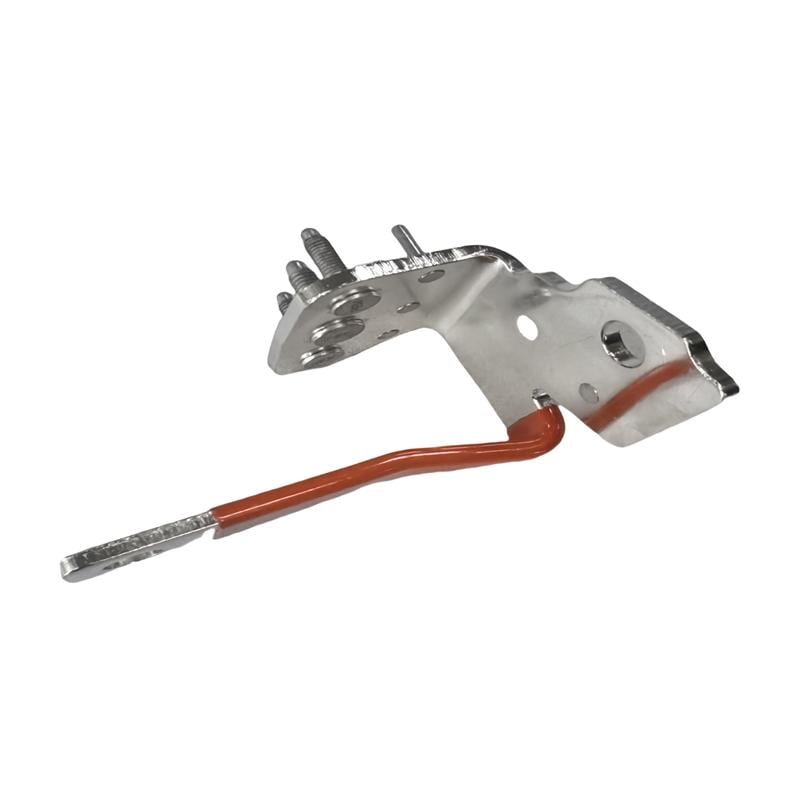
For power applications where reliability is critical, the right components can make all the difference. In energy storage and uninterruptible power supply (UPS) systems, DC busbars provide essential electrical connections between batteries, inverters, and other equipment. At Kinto, we have devoted nearly 20 years to manufacturing custom busbars for these applications. Our experience helps customers address key requirements for electrical conductivity, thermal performance, structural integrity, and long-term reliability.
Meeting the Unique Demands of High-Current DC Applications
UPS systems and energy storage applications require DC busbars capable of carrying continuous high currents with minimal voltage drop while managing heat generated during operation and charging or discharging cycles.
These components must also fit within confined spaces, such as battery racks and UPS cabinets, where multiple connection points and complex layouts may be required.
Kinto begins by reviewing the key electrical and mechanical requirements of each application, including operating current, ambient temperature, duty cycle, installation space, and short-circuit withstand requirements. Based on these parameters, copper or aluminum can be evaluated, and the appropriate conductor cross-section can be determined to help achieve the required conductivity, limit voltage drop, and manage temperature rise. Short-circuit performance also depends on fault current, duration, connection design, and mechanical support, so these factors should be considered together.
Precision Manufacturing for Tight Tolerances and Complex Shapes
Design flexibility should not be unnecessarily limited by manufacturing constraints. Kinto's fabrication processes support custom busbar geometries for space-constrained power applications.
Whether a project involves complex bends, hole patterns, stepped profiles, or insulation-related features, manufacturing feasibility is an important consideration. Our team reviews customer drawings and technical requirements to identify suitable fabrication methods and potential production challenges.
This approach helps customers develop practical busbar designs that meet their installation and connection requirements. Where required, conductor layout and current-return paths can also be considered to help manage parasitic inductance in suitable applications.
Our manufacturing capabilities also support surface treatments such as tin, silver, and nickel plating. The appropriate finish depends on contact resistance requirements, mating terminal materials, corrosion exposure, and the intended operating environment.
Built-In Quality Assurance from Material to Finished Product
Reliability is essential in energy storage and standby power applications. A component failure may lead to system downtime, equipment damage, or safety concerns. Effective quality control therefore needs to extend beyond final inspection.
Kinto's quality management systems are supported by ISO 9001 and IATF 16949 certifications, subject to the applicable certificate scope. Depending on product requirements, quality checks may include dimensional inspection, plating thickness verification, electrical resistance measurements, and insulation testing where applicable.
Temperature-rise testing can also be conducted when required by the application or agreed validation plan. Inspection methods and acceptance criteria are determined according to customer drawings and project specifications.
By identifying potential deviations during manufacturing and verifying critical characteristics before shipment, we aim to reduce avoidable quality issues and support consistent product performance. Our quality approach focuses on continuous improvement throughout the production process, from incoming material inspection to finished product verification.
Engineering Support for Tailored Solutions and Faster Time-to-Market
Custom busbar manufacturing involves more than producing parts from drawings. Early communication between the customer and manufacturer can help identify production challenges before they affect prototype development or mass production.
Kinto reviews customer drawings and technical specifications to assess manufacturing feasibility, including material selection, conductor dimensions, bend radii, connection interfaces, insulation requirements, and fabrication processes. Where appropriate, our team can suggest practical adjustments to improve manufacturability or reduce unnecessary processing, subject to customer approval.
For energy storage and UPS projects with demanding development schedules, early DFM reviews and clear technical requirements can help reduce avoidable design changes and support a smoother transition from prototypes to production.
Material planning, production scheduling, and shipment coordination are also important parts of the process. By aligning manufacturing plans with project requirements, Kinto works to support reliable delivery throughout the production cycle.
Conclusion
Custom DC busbar design for energy storage and UPS systems requires careful consideration of current capacity, temperature rise, installation space, connection interfaces, and manufacturing feasibility. Material selection, surface treatment, and appropriate quality verification also play important roles in achieving reliable electrical connections.
At Kinto, we support custom copper and aluminum busbar manufacturing for energy storage, power distribution, and industrial applications. By reviewing customer drawings and technical requirements early, we help identify manufacturing considerations and develop practical production solutions.
Looking for a custom DC busbar manufacturer for your energy storage or UPS project? Contact Kinto Electric to discuss your drawings, material requirements, and manufacturing needs.