EN
 AR
 BG
 HR
 CS
 DA
 NL
 FI
 FR
 DE
 EL
 HI
 IT
 JA
 KO
 NO
 PL
 PT
 RO
 RU
 ES
 SV
 CA
 TL
 IW
 ID
 LV
 LT
 SR
 SK
 UK
 VI
 SQ
 HU
 TH
 TR
 FA
 MS
 GA
 LA

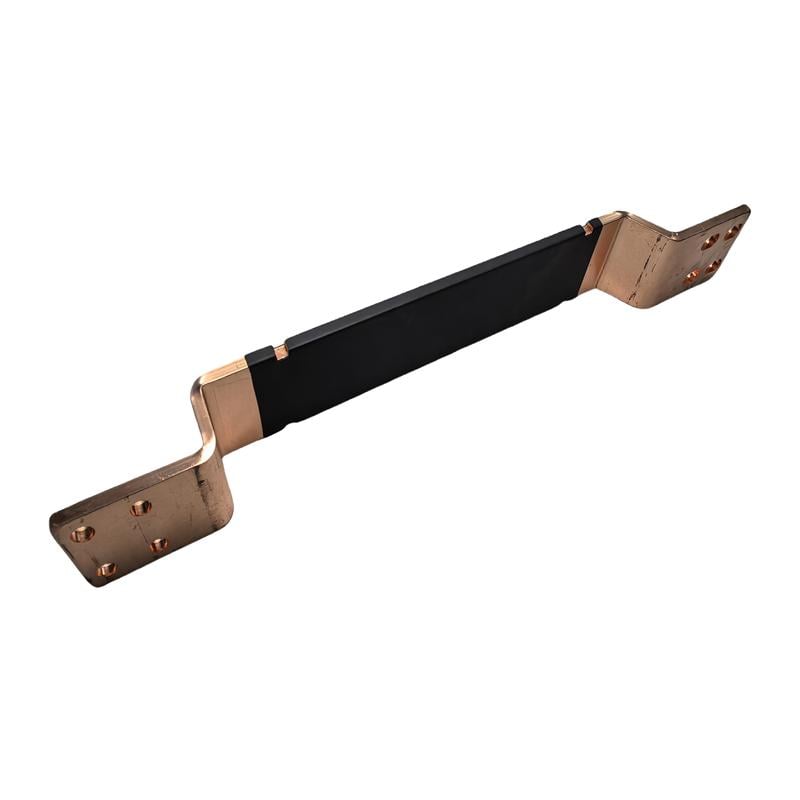
When designing power distribution systems for electric vehicles (EVs) and stationary energy storage systems, busbar material selection is an important engineering decision. Copper, aluminum, and their respective alloys affect conductivity, resistance, thermal performance, system weight, and cost. As battery and power electronics technologies evolve, selecting the right material requires balancing these factors against application requirements. With nearly 20 years of manufacturing experience, Kinto helps customers evaluate material options for custom busbar projects.
Copper Bus Bars: High Conductivity for Compact Designs
Copper is widely used in busbar applications because of its high electrical and thermal conductivity. High-conductivity copper grades can approach or meet 100% IACS, making copper a suitable choice when high current capacity and compact dimensions are important. In EV power distribution systems and energy storage inverters, copper busbars can help reduce electrical resistance and voltage drop when properly sized.
Copper also offers good ductility, supporting the forming of complex shapes and bends when the material grade and bend radius are appropriately selected. Although copper has good corrosion resistance in many environments, surface oxidation and contact conditions still need consideration. Tin, nickel, or silver plating may be selected for specific applications depending on contact requirements and the operating environment.
The main trade-offs are copper's relatively high density and material cost. However, where installation space and electrical performance are priorities, copper can be a practical choice.
Aluminum Bus Bars: Lightweight and Cost-Effective Solutions
Aluminum busbars offer a significant weight advantage over copper. Aluminum has approximately one-third the density of copper, while commonly used conductive aluminum grades have electrical conductivity around 61% IACS, depending on the grade and temper. This combination can make aluminum attractive for weight-sensitive applications and large busbar assemblies.
With an appropriately designed cross-section, aluminum busbars can meet the requirements of many high-current applications where sufficient installation space is available. Aluminum can also reduce material costs, although the overall cost advantage depends on conductor dimensions, fabrication, surface treatment, and connection design.
One challenge is aluminum's naturally formed oxide layer, which can affect electrical contact if the connection interface is not properly designed and prepared. Aluminum also has a higher coefficient of thermal expansion than copper, which can influence joints and connections during temperature changes. Appropriate contact design, surface treatment, and assembly control are therefore important to long-term performance. Kinto can review these manufacturing and connection-related requirements as part of the DFM process.
Plating and Surface Treatments: Protecting Performance Over Time
Selecting the base conductor material is only one part of busbar design. Surface treatment can also affect corrosion resistance, contact performance, and long-term reliability.
Copper surfaces can oxidize or develop surface films over time, while aluminum forms a stable oxide layer that may interfere with electrical contact. If the interface is not properly managed, contact resistance can increase and contribute to localized heating.
Kinto supports tin, silver, and nickel plating options for suitable applications. Tin plating is commonly used for general-purpose electrical connections where corrosion protection and consistent contact performance are required. Silver plating may be considered for applications requiring high electrical conductivity at the contact interface. Nickel can serve as a barrier layer in selected plating systems, depending on the base material, coating structure, and operating conditions.
For aluminum busbars, the appropriate surface treatment depends on the conductor material, mating terminal, environmental exposure, and customer specifications. Certain designs may require specialized conversion coatings or a multilayer plating system. The choice should be evaluated for the actual connection interface rather than treated as a universal solution.
During design review, factors such as connector materials, operating temperature, plating requirements, and environmental conditions should be considered together.
Application-Specific Considerations for EV and Energy Storage Systems
The choice between copper and aluminum depends on the specific application. In EV battery packs, copper may be preferred where space is limited and high conductivity is important. Aluminum can be suitable where weight and material cost are priorities and a larger conductor cross-section can be accommodated. Both materials may be used in battery connections, module interconnects, and power distribution assemblies, depending on electrical, mechanical, and manufacturing requirements.
In stationary energy storage systems, aluminum busbars may be attractive for battery rack connections where installation space allows larger cross-sections. Copper may be selected for compact connections or applications requiring higher conductivity. The final decision should consider current demand, allowable temperature rise, connection design, short-circuit requirements, and overall system cost.
Thermal performance depends on conductor dimensions, electrical resistance, installation conditions, heat dissipation, and ambient temperature. In applications involving substantial temperature changes, thermal expansion and its effect on connections should also be considered. During manufacturing feasibility reviews, Kinto can assess factors such as bend radius, hole tolerances, connection features, and plating requirements against customer drawings and specifications.
Material selection is an important early step in busbar development because it influences dimensions, manufacturing processes, cost, and performance. Copper and aluminum each offer advantages, and the right choice depends on the complete set of application requirements.
With nearly 20 years of manufacturing experience, Kinto supports custom copper and aluminum busbar projects for EVs, energy storage, and industrial power systems. By reviewing drawings, material specifications, surface treatments, and manufacturing requirements early in the process, we help customers identify practical solutions for production.
Looking for a custom busbar manufacturer for your EV or energy storage project? Contact Kinto Electric to discuss your drawings, material options, and manufacturing requirements.