EN
 AR
 BG
 HR
 CS
 DA
 NL
 FI
 FR
 DE
 EL
 HI
 IT
 JA
 KO
 NO
 PL
 PT
 RO
 RU
 ES
 SV
 CA
 TL
 IW
 ID
 LV
 LT
 SR
 SK
 UK
 VI
 SQ
 HU
 TH
 TR
 FA
 MS
 GA
 LA

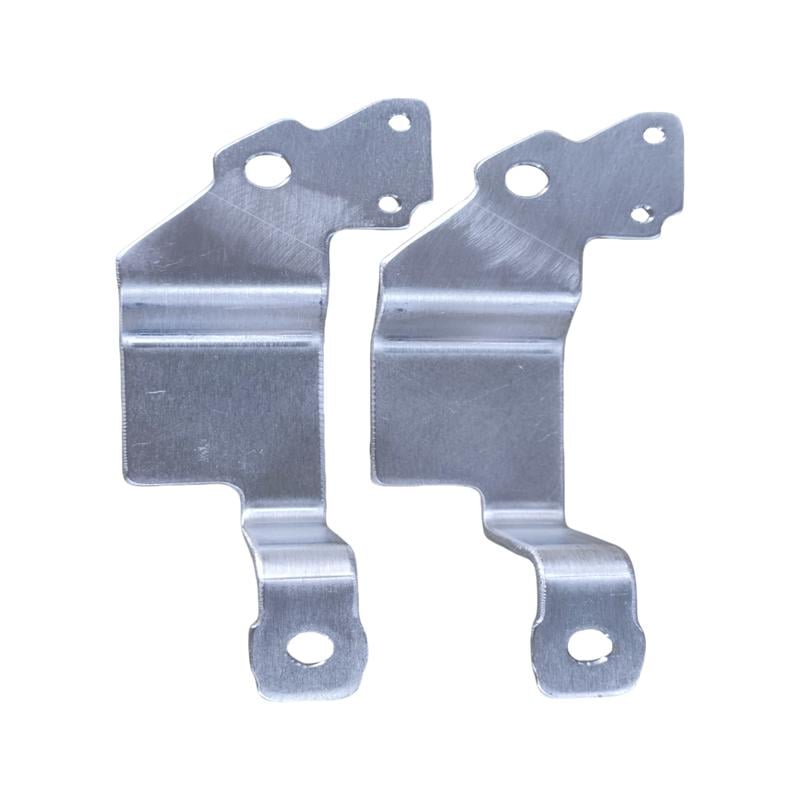
Specifiers often struggle with the plating decision for busbars—whether to use copper, nickel, silver, or another material—even those with extensive power engineering experience. Although copper offers excellent conductivity, the fact is that it is susceptible to corrosion in many application environments, which calls for plating to keep the busbar in top condition. Nickel has become a popular choice for good reason: it provides excellent protection for the base metal against a wide range of environmental challenges, including salt water, chemical exposure, temperature variations, and more. However, these advantages come with certain trade-offs. For many years, Kinto has supplied nickel-plated copper busbars across a wide range of applications, including power lines and renewable power generation. Through practical experience, we have developed a solid understanding of the interaction between plating and electrical performance, as well as cost.
Conductivity Trade-Offs: How Nickel Affects Resistance
The primary goal of a busbar is to carry as much current as possible with minimal resistive losses. Therefore, any surface modification must be carefully evaluated for its impact on resistance. The resistivity of pure copper is approximately 58 MS/m at 20°C, whereas pure nickel has a resistivity of about 14.3 MS/m. However, in busbar applications, the nickel layer is very thin, typically ranging from 2 to 10 microns, so its impact on overall resistance is minimal. Since there is no skin effect with DC current, and very little at even the most common industrial frequencies, a nickel layer applied to a copper busbar makes a negligible difference in resistance—far below levels noticeable within most industrial power systems. Where this becomes significant is contact resistance. Nickel oxidizes to form a slow-growing, almost transparent oxide layer that does not chip or crumble. Unlike copper oxide, which tends to flake off and allow dirt and grit into the contact interface, nickel oxide does not compromise the connection. This means bolted connections continue to make clean electrical contacts with low resistance, even through thermal cycles and some movement or fretting action. Kinto performs a micro-ohm check on every plated busbar we manufacture to help verify that our plating process does not add excessive resistance or cause a noticeable voltage drop for our customers.
Cost Breakdown: Plating Process and Material Premiums
More than simple per-kilo price calculations are needed when considering nickel-plated copper busbars. Raw copper makes up most of the material cost; however, there are layers of plating costs to consider. These include: surface pretreatment to remove oxides and prepare the surface, application of a strike coat for adhesion, the plating chemistry itself (electrolytic vs. electroless), and process controls such as heating, pH management, and current regulation—all of which consume electricity and chemicals. Plating thickness also affects cost: greater thickness increases material expense but enhances corrosion resistance in demanding environments like offshore wind or chemical processing plants. At Kinto, we help our customers specify the minimum nickel thickness suitable for their environments or required lifecycle, avoiding over-specification. Furthermore, we compare the higher setup time of rack plating against the lower per-piece cost of barrel plating for small parts to maximize customer efficiency during high-volume production.
Environmental and Long-Term Performance Factors
While the starting price and conductivity are important, nickel plating supports long-lived busbars that are well worth the investment. In humid or aggressive environments, bare copper can develop green and black oxides, increasing resistance. This resistance generates heat, which can eventually lead to insulation failure or connection degradation. With the correct thickness and post-treatments, nickel plating prevents sulfation and corrosion for decades. In fact, these busbars will likely continue to perform long after maintenance access becomes difficult—a critical advantage in applications such as solar combiners, electrical panels, and EV battery busbars. It also yields a tough surface resistant to wear, allowing for more assembly and disassembly cycles in bolted connections on the softer substrate. In our lab, Kinto subjects all nickel-plated product samples to salt spray and cycle tests that take weeks to simulate years, demonstrating that our controlled platings can provide decades of service in difficult applications.
Optimizing the Balance: When to Choose Nickel Plating
Taking the cost and conductivity of busbar material into account, the choice of nickel-plated copper busbars will be driven by risk-benefit analysis in terms of operating environment. For simple, clean indoor conditions where temperature fluctuation and humidity are not an issue, bare copper or a thin tin plating will provide adequate performance. For outdoor environments, marine applications, or high-temperature switchgear, the reliability that nickel plating affords is in many instances worth its reduced conductivity and marginal additional expense. It comes down to an individual assessment. At Kinto, we are eager to review your specific application, current loads, and assembly methods. We will assess your circumstances, advise on minimum required plating thickness, and offer either selective plating at contact points or full nickel plating. The least expensive option may not always be the one with the lowest upfront cost, but rather the one with a more favorable total cost of ownership. Let our team review your requirements and provide performance data based on test sample results to support an informed decision.