EN
EN
 AR
AR
 BG
BG
 HR
HR
 CS
CS
 DA
DA
 NL
NL
 FI
FI
 FR
FR
 DE
DE
 EL
EL
 HI
HI
 IT
IT
 JA
JA
 KO
KO
 NO
NO
 PL
PL
 PT
PT
 RO
RO
 RU
RU
 ES
ES
 SV
SV
 CA
CA
 TL
TL
 IW
IW
 ID
ID
 LV
LV
 LT
LT
 SR
SR
 SK
SK
 UK
UK
 VI
VI
 SQ
SQ
 HU
HU
 TH
TH
 TR
TR
 FA
FA
 MS
MS
 GA
GA
 LA
LA

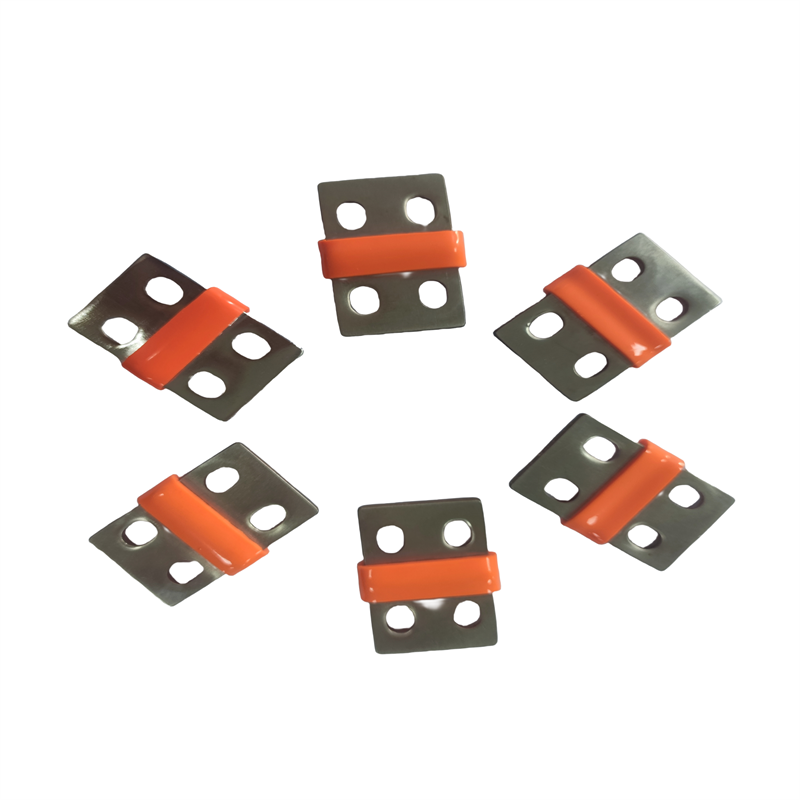
Electric vehicle batteries have unique power distribution challenges. Within a lithium ion battery pack, the bus bars have to transmit high current in very small spaces over short distances. They need to stand up to vibration and extreme temps while also providing the connections for a sustained 10 to 15 year product lifecycle. At Kinto, we have helped EV battery engineers develop custom solutions. Our fabrication facilities produce high precision copper and aluminum busbars with optimal plating for the lithium pack environment. This document outlines four key areas of design for your electric vehicle battery project.
Electrical and Mechanical Design for Lithium Pack Layouts
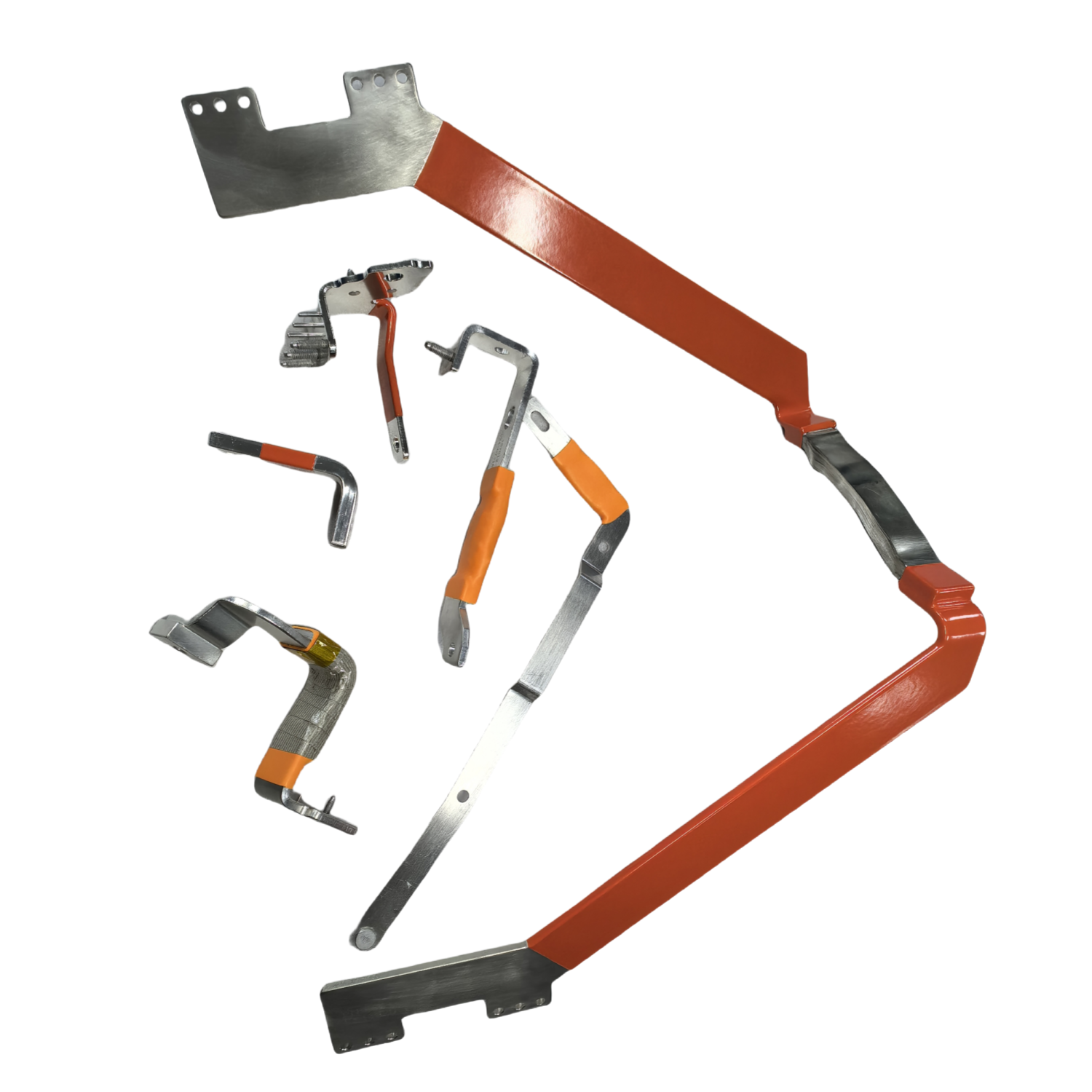
The starting point for any custom busbar design is the battery pack layout. Lithium battery packs, regardless of form factor (cylindrical or prismatic) typically combine series and parallel connections between cells and feature a fixed terminal arrangement. Achieving precise cell-to-busbar terminal spacing—typically in the range of millimeters—is critical. We work from your CAD files and can produce copper or aluminum busbars to a tolerance of ±0.01mm relative to cell spacing. The voltages in an electric vehicle battery range from 400V (or more commonly 800V now) with currents typically ranging from 100 A to over 500 A, depending on the application. We use finite element analysis(FEA) to ensure busbars have a sufficient cross-sectional area to support the full load current without overheating.
Because the battery pack expands and contracts during charge/discharge cycles and is subject to movement and road-induced vibrations, we may incorporate flexibility into the busbar design. This is especially important for insulated busbars, which require more space and are more prone to stressing terminals. For example, our flexible insulated busbar line includes a 12-series (12S) busbar made from finely stranded, insulated copper. Where space and conductivity permit, aluminum offers significant weight savings—a key trade-off that most designers must consider.
Material Selection Between Copper and Aluminum
There are several trade-offs to consider when choosing between copper and aluminum for battery packs. Electrical Conductivity: Copper offers the highest practically viable electrical conductivity among commercial metals. Consequently, a copper busbar can carry more current than a similarly sized aluminum one, and copper connections typically run cooler under load. For high performance packs, achieving significant size reduction is difficult without using copper—a material we are fully equipped to supply. Weight Savings: An aluminum busbar weighs about one-third as much as a copper busbar of the same size, directly improing pack energy density, consequently, vehicle range! Cost: Aluminum bus bars typically cost less than their copper counterpart, which is a critical factor when looking to produce hundreds, or thousands of units. A typical Kinto customer designing an electric vehicle battery pack may struggle with which to pick. Fortunately, we’ve helped thousands to make an informed decision!
Plating Selection for Corrosion Resistance and Contact Performance
Plating is an important consideration in EV battery busbar design because it helps maintain stable electrical connections throughout the battery pack's service life. Unlike general industrial applications, EV battery systems are continuously exposed to vibration, thermal cycling, humidity, and high current loads, making long-term contact reliability a key design requirement.
Rather than simply selecting the lowest-cost option, the plating should be chosen according to the operating environment, connection method, expected service life, and performance requirements. Tin plating is widely used for standard battery applications due to its cost-effectiveness and good corrosion resistance. Nickel plating is commonly specified for higher-temperature or harsher operating environments where improved wear resistance and long-term durability are required. Silver plating is typically reserved for high-current applications where minimizing contact resistance is critical. For certain EV battery designs, Kinto also offers selective plating, applying precious metals only to the contact areas while using tin or nickel on the remaining surfaces to achieve the best balance between performance and cost.
For aluminum busbars, appropriate surface pretreatment and intermediate coating layers are applied before final plating to ensure reliable adhesion and long-term durability.
Because plating selection is closely related to conductor material, connection design, and manufacturing processes, our engineering team evaluates these factors together during product development to recommend the most suitable solution for each application.
Quality Validation and Pack Integration Testing
Any EV bus bar produced by Kinto must be fully validated prior to production release. All our custom products are measured using CMM to ensure dimensional accuracy. The DC resistance of each busbar is measured and recorded in our quality database to verify it is within the specified tolerance. A high current is run through the bus bar and the temperature at the contact points is measured to assess performance. Thermal cycling tests are performed for applications subject to significant temperature fluctuations during charge/discharge operation. Vibration testing ensures the integrity of the connections. For all plated products, we provide a corrosion resistance test, typically a salt spray or a temperature/humidity cycle test is used to indicate service life. The custom bus bar product will not proceed to production until it has met or exceeded all these test criteria.
Conclusion
Designing a bus bar to carry all the electrical current required for a modern electric vehicle lithium ion battery pack is not as simple as one may initially think. It takes into consideration many elements of pack architecture as well as the environment in which the busbar operates. With almost two decades of experience serving clients in this space and extensive in-house capabilities for producing and testing high-quality bus bars, Kinto is your one-stop shop for EV battery bus bar requirements. Reach out to us today and we can help engineer the ideal solution for your next EV battery project.