Introduction
Selecting the right conductor material is one of the first decisions engineers make when designing a power distribution system. Copper and aluminum are the two most commonly used busbar materials, each offering distinct advantages depending on the electrical, mechanical, and economic requirements of the application.
While copper has long been the industry standard for high-current systems, aluminum continues to gain popularity in applications where reducing weight and material cost is equally important. Understanding the differences between these materials helps engineers optimize both system performance and overall project cost.
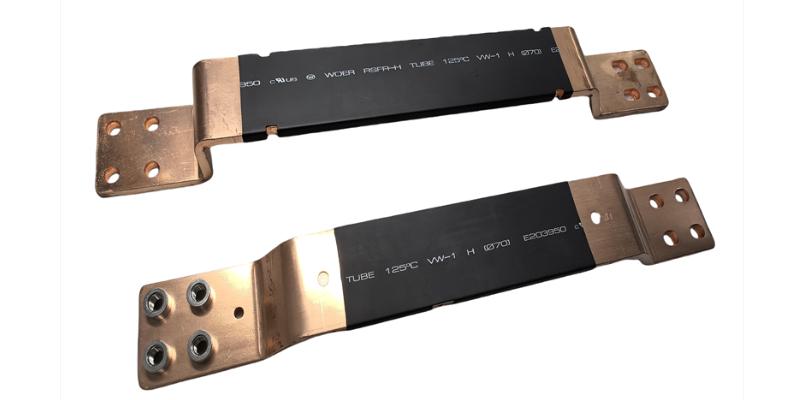
Electrical Conductivity and Current-Carrying Capacity
Copper offers significantly higher electrical conductivity than aluminum, allowing a smaller cross-sectional area to carry the same current. This makes copper the preferred choice for compact equipment where installation space is limited or high power density is required.
Aluminum typically requires a larger conductor size to achieve the same current-carrying capacity. However, with proper design, aluminum busbars can still deliver excellent electrical performance while reducing overall system weight.
When selecting the conductor size, engineers should evaluate current-carrying capacity, allowable temperature rise, installation space, and operating conditions together rather than considering conductivity alone.
Weight and Cost Considerations
One of aluminum's biggest advantages is its low density. An aluminum busbar weighs approximately one-third as much as an equivalent copper busbar, making it attractive for transportation equipment, renewable energy systems, and applications where weight reduction improves overall efficiency.
Material cost is another important consideration. Although copper generally provides better electrical performance, aluminum can offer meaningful cost savings in large-volume projects or long conductor systems.
The optimal material is often determined by balancing electrical performance with weight, manufacturing complexity, and total system cost.
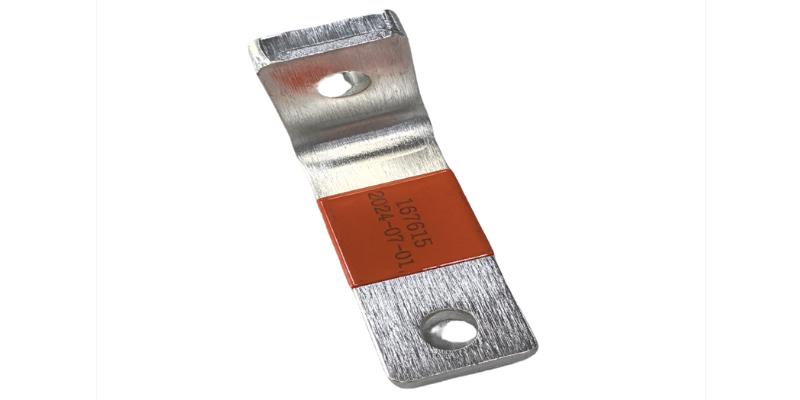
Mechanical Performance and Reliability
Copper provides excellent mechanical strength, dimensional stability, and fatigue resistance. It performs well in applications exposed to vibration, repeated thermal cycling, or high mechanical stress.
Aluminum requires additional engineering consideration because it has a higher coefficient of thermal expansion and lower mechanical strength. Proper joint design, fastening methods, and surface treatment are important to maintain reliable electrical connections over the product lifetime.
For both materials, appropriate plating and connection design are essential to ensure long-term contact reliability.
Which Material Is Right for Your Project?
There is no universal answer.
Copper is generally preferred when:
●Maximum conductivity is required
●Installation space is limited
●High-current applications demand compact designs
●Long-term reliability is the highest priority
Aluminum is often selected when:
●Weight reduction is important
●Material cost is a major consideration
●Larger installation space is available
●Proper joint design can be implemented
The final decision should always consider the complete application rather than material price alone.
Kinto Engineering Perspective
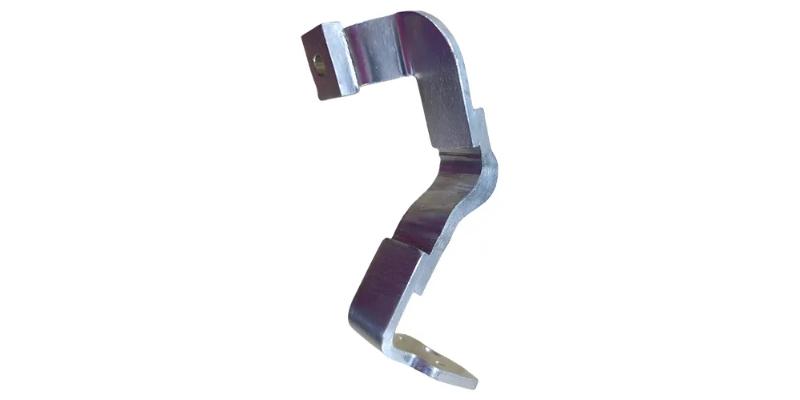
At Kinto, we manufacture both copper and aluminum busbars for EV battery systems, energy storage equipment, industrial automation, and power distribution applications. During product development, our engineering team evaluates electrical requirements, conductor dimensions, connection methods, plating options, and manufacturing feasibility to recommend the most appropriate material for each project.
By combining engineering analysis with precision manufacturing, we help customers achieve the optimal balance between electrical performance, reliability, weight, and cost.
Copyright © Kinto Electric Co., Ltd All Rights Reserved
 EN
EN
 AR
AR
 BG
BG
 HR
HR
 CS
CS
 DA
DA
 NL
NL
 FI
FI
 FR
FR
 DE
DE
 EL
EL
 HI
HI
 IT
IT
 JA
JA
 KO
KO
 NO
NO
 PL
PL
 PT
PT
 RO
RO
 RU
RU
 ES
ES
 SV
SV
 CA
CA
 TL
TL
 IW
IW
 ID
ID
 LV
LV
 LT
LT
 SR
SR
 SK
SK
 UK
UK
 VI
VI
 SQ
SQ
 HU
HU
 TH
TH
 TR
TR
 FA
FA
 MS
MS
 GA
GA
 LA
LA