August 2026 | Industry News
The global copper market is facing another source of supply-side uncertainty following the Democratic Republic of Congo's (DRC) decision to prohibit exports of copper and cobalt concentrates.
The measure represents a significant development for the international copper supply chain. The DRC is one of the world's major copper-producing countries and the world's largest cobalt producer, making changes to its mineral export policy relevant to mining companies, smelters, manufacturers and downstream users across global markets.
DRC Moves to Strengthen Domestic Mineral Processing
According to a government order signed on June 29, 2026, by the DRC's ministers responsible for mines, foreign trade and economy, the export of copper and cobalt concentrates is prohibited.
The policy is intended to encourage greater domestic processing and allow the country to retain more value from its mineral resources. The new rules took effect immediately, while a separate tax regime covering economically significant mining by-products has a three-month transition period. The mining ministry may also grant export waivers of up to one year under certain strategic circumstances.
The change is particularly significant because the DRC has historically used export restrictions and exemptions as part of its efforts to encourage local refining. The effectiveness of the latest measure will therefore depend partly on how exemptions are implemented and how quickly domestic processing capacity expands.
Immediate Reaction from the Copper Market
The announcement was quickly reflected in copper markets.
Following reports of the export restrictions, three-month copper on the London Metal Exchange (LME) rose by as much as 1.8% on August 6, reaching approximately $14,369.50 per metric ton. This was the highest level since the previous record period in January, when LME copper reached an intraday high of approximately $14,527.50 per ton.
The market reaction illustrates how sensitive copper prices have become to potential disruptions in major producing regions.
However, the immediate effect on global physical copper supply should not be overstated. Industry analysts have pointed out that much of the DRC's copper production is already processed domestically, while the country's expanding smelting capacity could absorb additional concentrate volumes. The actual impact will depend on the transition arrangements, export waivers and the ramp-up of new domestic processing facilities.
Why the Development Matters to the Global Supply Chain
Copper is a fundamental material for modern electrical infrastructure. It is widely used in power distribution equipment, renewable energy systems, electric vehicles, energy storage systems, motors, transformers and data center infrastructure.
As electrification continues to expand, copper demand is increasingly connected to multiple growth sectors at the same time. This means that changes affecting mine production, concentrate availability, refining capacity or international trade flows can have implications well beyond the mining industry.
The DRC's latest policy adds another variable to an already closely watched copper market. Analysts have noted that the measure could create a near-term risk premium in copper prices, although some expect the direct impact on global refined copper availability to remain limited if domestic smelting capacity continues to expand and exemptions remain available.
For copper-consuming manufacturers, the development reinforces the importance of monitoring both commodity prices and supply-chain conditions rather than evaluating raw material costs in isolation.
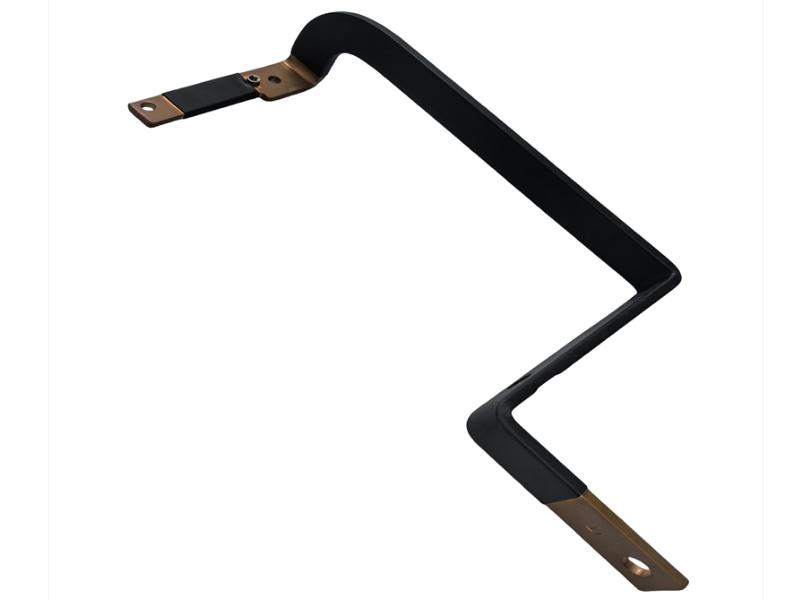
Implications for Copper Busbar Manufacturing
For manufacturers of copper busbars, copper is not simply a commodity—it is one of the primary materials determining product cost and production planning.
Changes in copper prices can influence quotation strategies, inventory management and long-term supply agreements, particularly for projects involving large-volume copper busbars or extended production schedules.
The latest developments in the DRC also highlight the value of maintaining a flexible sourcing and production strategy. Manufacturers serving EV, energy storage and industrial power applications may need to consider raw material availability, copper price movements, production volume and delivery schedules together when planning long-term projects.
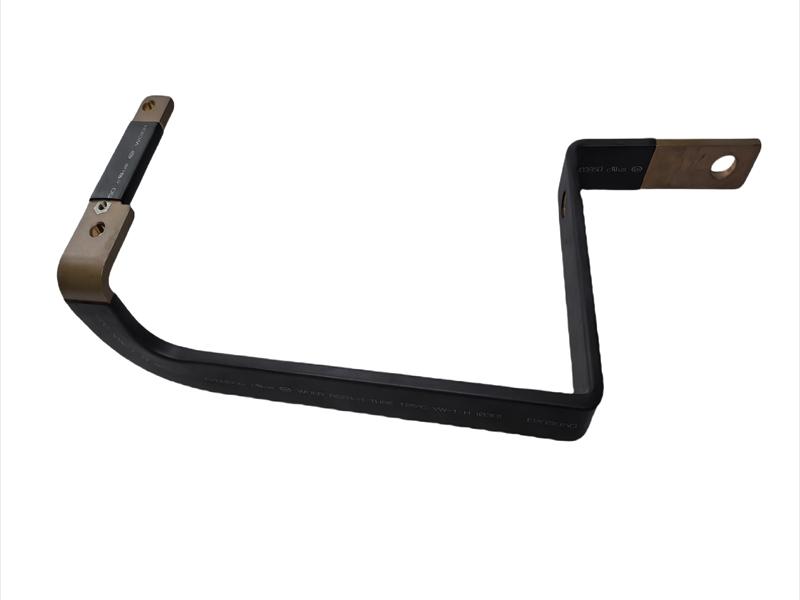
For custom busbar programs, material selection and design optimization can also play an important role in managing overall project cost. Appropriate conductor dimensions, material grades, plating specifications and manufacturing processes can help balance electrical performance with material consumption and production efficiency.
Looking Ahead
The long-term impact of the DRC's export restrictions remains dependent on several factors, including the implementation of export waivers, the development of domestic processing capacity and the response of international copper markets.
The policy does not necessarily mean that the global copper market will experience an immediate physical shortage. However, it adds another layer of uncertainty to a commodity market that is already closely monitored because of growing demand from electrification, renewable energy and digital infrastructure.
For copper-consuming industries, continued monitoring of supply conditions and copper price movements will remain important throughout 2026.
Kinto Engineering Perspective
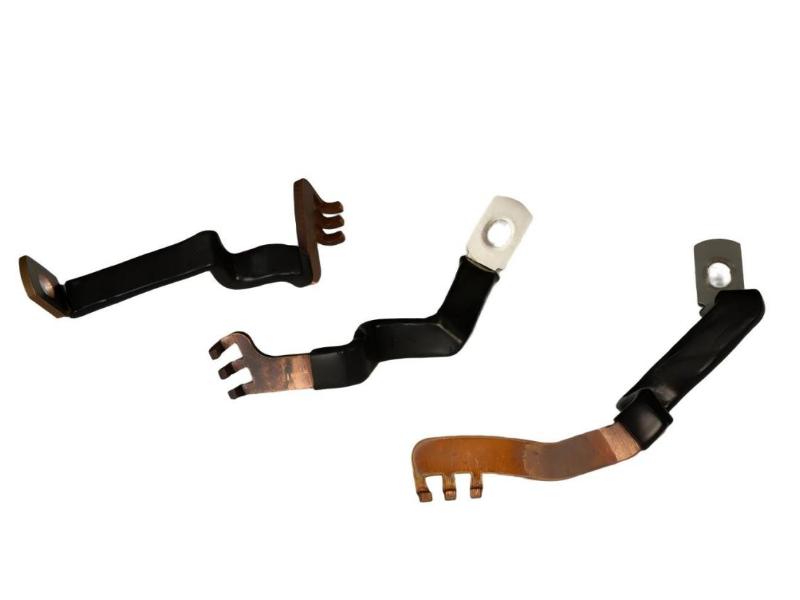
At Kinto, we view copper supply and pricing as important factors in the engineering and commercial planning of custom busbar projects.
Copper remains a key material for high-current busbars used in EV, energy storage and industrial power applications. As global copper markets become increasingly sensitive to changes in mining policy, processing capacity and international trade, effective material planning and design optimization become even more important.
For custom busbar projects, early engineering collaboration can help customers balance electrical performance, conductor dimensions, material utilization and manufacturing cost. By considering these factors during the DFM stage, manufacturers and OEM customers can make more informed decisions as market conditions evolve.
Kinto will continue to monitor developments across the global copper supply chain and support customers with practical engineering and manufacturing solutions for their custom busbar requirements.
Copyright © Kinto Electric Co., Ltd All Rights Reserved
 EN
EN
 AR
AR
 BG
BG
 HR
HR
 CS
CS
 DA
DA
 NL
NL
 FI
FI
 FR
FR
 DE
DE
 EL
EL
 HI
HI
 IT
IT
 JA
JA
 KO
KO
 NO
NO
 PL
PL
 PT
PT
 RO
RO
 RU
RU
 ES
ES
 SV
SV
 CA
CA
 TL
TL
 IW
IW
 ID
ID
 LV
LV
 LT
LT
 SR
SR
 SK
SK
 UK
UK
 VI
VI
 SQ
SQ
 HU
HU
 TH
TH
 TR
TR
 FA
FA
 MS
MS
 GA
GA
 LA
LA